
Have your bookshelves lightened their load in favor of digitizing your literary favorites? Does your go-to reference collection feel redundant with endless knowledge available on the Internet? In a cyber-connected world where novels are read on mobile devices and answers to any question can be found in a matter of seconds, home libraries now seem like a vintage throwback. Not to worry, literary lovers! From inspiration to information, some collections are still worth having around in hardcopy. Here are a few of our favorite books every home needs.

A beautiful collection of cookbooks from a variety of regional and ethnic influences is a great addition to any kitchen. If you were to have just one book within arm’s reach of the stove, you may consider The Joy of Cooking. This culinary encyclopedia covers a vast range of recipes, from basic to advanced, in step-by-step instruction. Whether you’re making lasagna for the first time, or are ready to master the five mother sauces, this kitchen companion will not let you down.
An equally helpful and non-intimidating option is Better Homes and Gardens New Cook Book. A great gift for a newly wed couple, this manual covers favorite home cooking recipes with photography and clear instructions.
From housekeeping and cleaning to organization and repair, Martha Stewart’s Homekeeping Handbook offers practical advice wrapped in a beautiful presentation. The Complete Do-It-Yourself Manual, a thorough collection of visual illustrations, tips and advice make home care, maintenance and repair approachable. Whether you’re a DIY-er or just want to understand the ins and outs of your home, this guide is a your personal handy-man.
The best interior design books are ones so beautiful they add to your home’s design like a favorite accessory. Emily Henderson’s tome, Styled: Secrets for Arranging Rooms, from Tabletops to Bookshelves, is a valuable collection of home styling tips and advice, especially for first time homeowners.
For a boost of style inspiration when you need it, any home décor book that fits your personal tastes, from French Country to Art Deco, makes a beautiful home addition. This list from House Beautiful can help you get started or add to your growing collection of design books.
A small and eclectic collection of fun, interesting and easy-reading books is a thoughtful addition to a guest room. Guinness Book of World Records, Best American Short Stories, and Laugh-Out-Loud Jokes for Kids are personal favorites and enjoyable for all ages. Check out your local used bookstore for great deals on literary classics and other books to suit your guests tastes and ages.
Celebrate and commemorate the places you call home with a book that sparks childhood memories, favorite cities or your current hometown. Local bookstores and boutiques are a great place to sources the books that celebrate the places that shape who we are, then and now.
Do you love photography? Is music your passion? Show off the pursuits that bring you happiness through the books displayed in your home. Special interest books make great conversation pieces, and when the scales of work/life balance start to tip, they can serve as a much needed reminder to do what you love.
Help mom and dad declutter and relocate the baby book to your home. Friends and family will love reminiscing with you over the first years of your childhood. And what better resource for the perfect #TBT? A bonus for the first-born – your baby book is likely to be complete (sorry youngest siblings).
No baby book, or mom isn’t willing to part with it? Make your own photo book filled with favorite memories. Sites like Snapfish make memory book making a breeze.

No matter how much I’ve made the move from paperback to digital reading, I can’t let go of my favorites. If you’ve ever bought a hardback book shortly after finishing, and enjoying, the digital format, I can relate! Our favorite books can tell a lot about us, and keeping them in plain sight gives visitors to you home a small glance into your personality. Playwright Alan Bennett said, “A book is a device to ignite the imagination.” Our favorite books do just that. Keep them near.
What are the essentials for your bookshelf at home? Anything you’d add to this list? Let us know in the comments below!
Enriching lives through a dedicated commitment to homeownership.
Universal American Mortgage Company (UAMC) has been making homeownership possible since 1981. Our experienced loan officers have access to a variety of financing solutions for first time buyers to sophisticated investors. And with the launch of the new UAMC.com, it’s now even easier to find a loan officer in your area, get pre-approved for a new home loan, and obtain the resources and information you need to navigate the home buying process.
Experienced Loan Officers are with you every step of the way, from providing a free upfront pre-approval to choosing the right loan program, and ending with a smooth closing. UAMC.com is your one-stop to view your loan options, ask questions and discover your buying power.
UAMC’s online library of resources provide valuable tips and information, whether you’re buying your first home or your next home. View a robust collection of mortgage calculates, an extensive knowledge base of frequently asked questions, testimonials from previous customers and much more! Plus, visit UAMC’s new Mortgage Minute blog for the latest news and updates.
If you’re concerned that you may not qualify for a home loan due to past credit issues, the Home Buyer Solutions Group can assist you. A Personal Credit Specialist can facilitate financial and credit education services to get you on the path to home ownership.
About Universal American Mortgage Company:
A full service mortgage company, Universal American Mortgage Company has assisted over 300,000 families with their mortgage financing needs. Part of the Lennar family, UAMC is fully integrated into your home buying process and with Lennar to make closing on your new home easy. Learn more at UAMC.com or Lennar.com.

New homes can be healthier than used homes because they may come with the latest in design, materials and technology to promote good healthy for your entire family. But even with a new home, certain oversights could be making your home less healthy without you even realizing it. From forgetting to change the AC filters to not tending to your home’s gutters, small changes can make a huge impact on your home’s – and your family’s overall health. According to a 2013 report from the Federal Healthy Homes Work Group, 8 components contribute to the health of a home:
Farima Alavi for HGTV.com outlines some of the common mistakes that could make your home unhealthy, including:
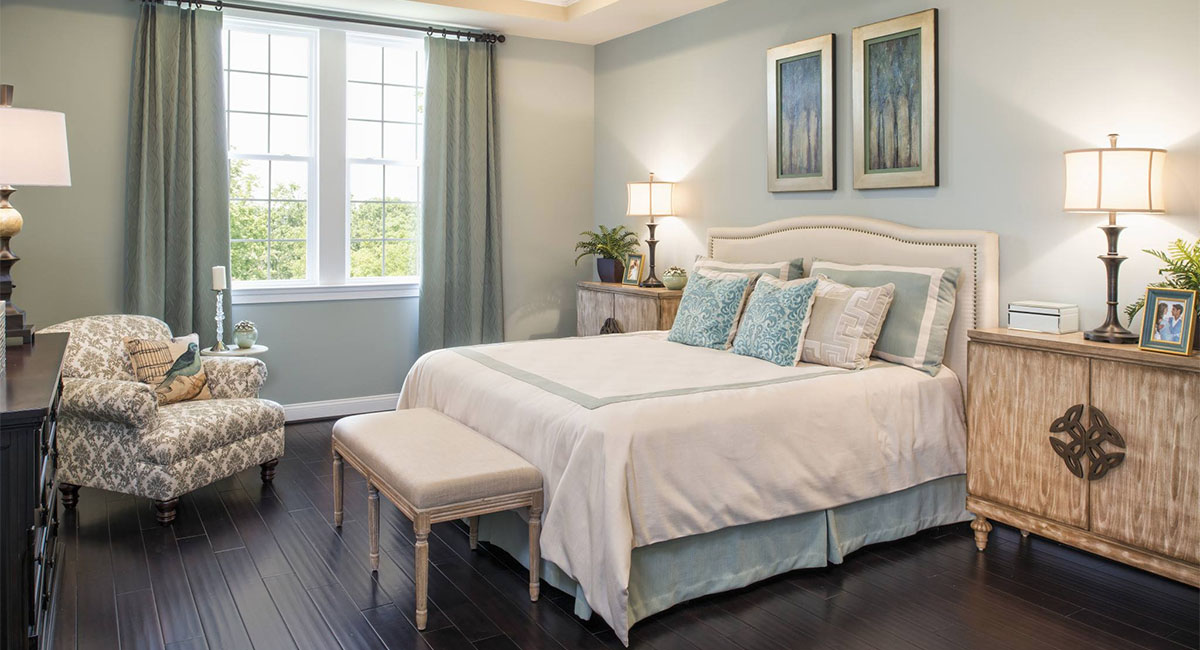
Alavi suggest using “zippered dust-proof casings for pillows and mattresses” to prevent dust mites from getting through to your sheets and pillow cases. These can be especially irritating to those with allergies or asthma.
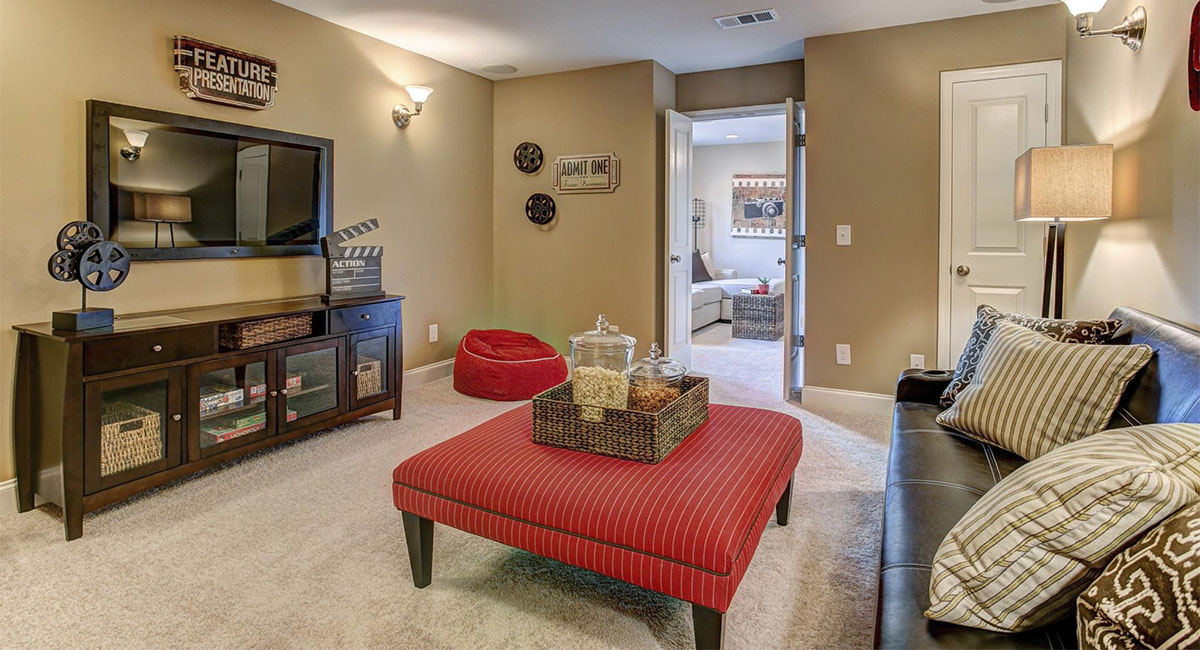
When cleaning floors, you assume that everything gets sucked up into the vacuum, right? Machines equipped with HEPA filters can help to “prevent tiny particles of dust from being blow back out into your air.” That’s not something you want to be breathing in! Alavi also recommends replacing the filter every six months to keep your vacuum working properly.
When was the last time you changed your AC filters? If you can’t remember, then maybe it’s been too long. Keep your home and yourself healthy by adding this task to your monthly home maintenance list.
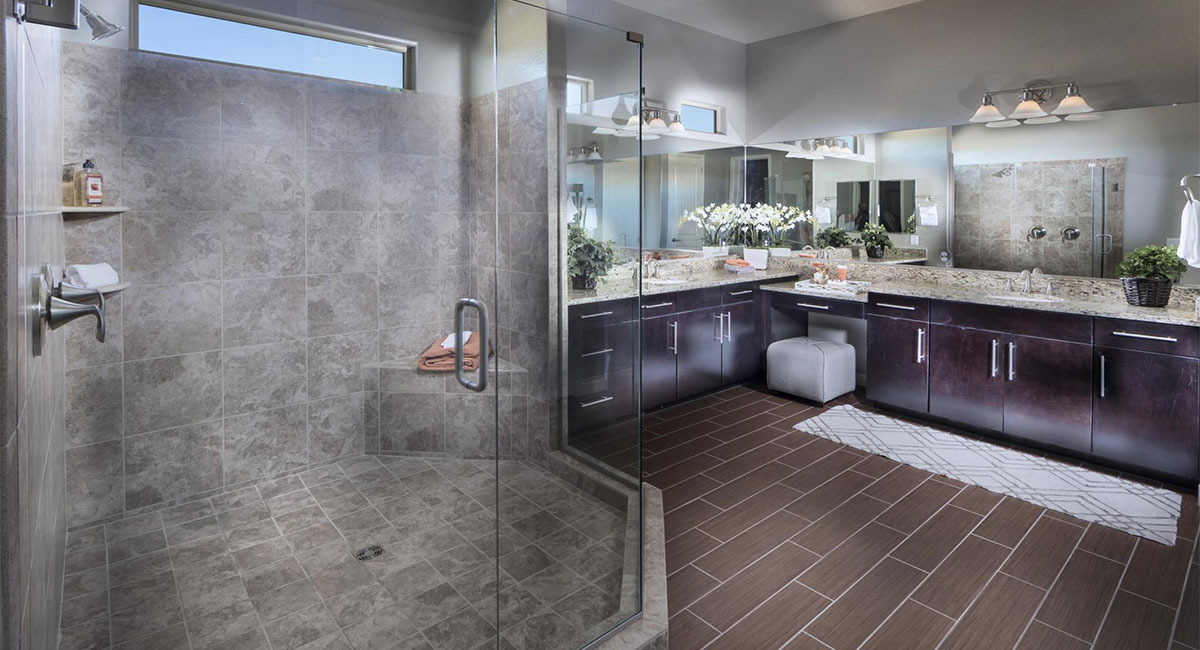
The bathroom exhaust fan is often an overlooked feature of new homes. “Running the exhaust fan… helps remove moisture from this naturally humid room,” which is essential for avoiding the building up of mold in mildew.

Over time, leaves, small branches and other debris can accumulate in your home’s gutters. Examine your gutters each season and frequently remove build up to prevent unwanted moisture from entering your home.
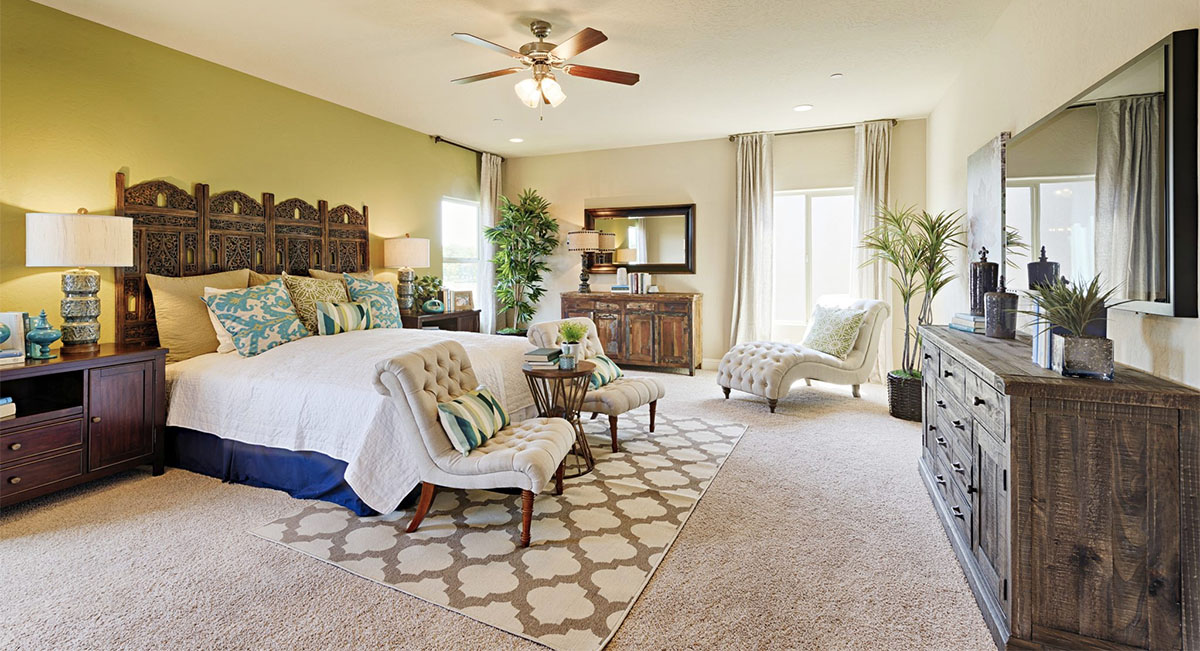
A lush, comfy bedroom is truly a luxury, especially after a long day, but as Alavi warns, “carpeting, rugs, pillows, upholstered headboards, and chairs are all dust catchers.” If minimizing furnishings isn’t an option, you’ll want to make a point to dust and vacuum a little more frequently in the bedrooms.
See what other mistakes made the list and view the full slideshow: 20 Mistakes That Are Making Your Home Unhealthy / HGTV
No doubt, owning your own home is a big responsibility. The excitement, security, and freedom it carries makes it all worth it for the joy of coming home every day to a place that is all yours. With the new responsibility, it’s not unusual for homeowners to make some missteps along the way. Don’t worry! HomeAdvisor shares common new homeowner mistakes we can all learn from, plus tips to avoid them in your new home.
Congratulations! You’re a homeowner. You’ve searched far and wide for the perfect house and now you’re ready to make it your home. And while you’re probably pretty excited, there’s a good chance you might be feeling a bit overwhelmed by your newfound responsibility. Don’t worry: it’s perfectly normal. Of course, there are those who make owning a home more stressful than it should be. So, what do they do that you shouldn’t?
Before you bought your home you made sure it passed its inspection with flying colors. At this point you know what needs your attention and what doesn’t. But just because your home is new to you doesn’t mean it won’t need a little TLC throughout the year. Whether it’s spending money on seasonal maintenance or addressing minor issues as soon as they pop up, staying on top of routine maintenance is the best way to ensure small problems don’t turn into major, not to mention costly, repairs.
You love your new home. You’d love it more if the kitchen was bigger or the floor plan was more open or those shrubs weren’t blocking the windows. But as tempting as it might be to make immediate changes, doing so could be a decision you end up regretting. Live in your home for a few months to get a better feeling of what you like and what you don’t. That way, when you make a major change you’ll know you’ve made the right decision.
Owning a home isn’t cheap. In fact, nothing chews through your savings quite like a home. That’s not to say it isn’t worth it. With average appreciation rates between 3 to 6 percent, homeownership is still a good investment. The key is to not overspend. First, you don’t want to over-improve for your neighborhood. Doing so will price your home out of the market should you decide to sell. Second, and perhaps more importantly, you want to make sure you have the funds necessary to deal with any unexpected home repair emergencies.
Every homeowner has made the mistake of trying to take on a project they have neither the time nor ability to complete. Most of the time we do it because we don’t want to spend the money to hire a local pro and think we can save some cash by doing the job ourselves. Sometimes it works out. But what usually happens is that you wind up spending the same amount of cash on a project that takes ten times longer to complete than it should. Or worse, you spend the same amount of cash only to have to call a pro. Moral of the story: call a pro. (This is especially true if your project involves any system essential to the safe and convenient operation of your home).
So you need to hire a pro but don’t want to spend a lot of money. You get estimates from three pros and hire the one with the lowest bid. Smart move, right? Wrong. As with most things in life, you get what you pay for. Sure, the cheapest pro might do the best work, but there’s a better chance that they won’t. After all, there’s a reason they’re the cheapest. Hiring a pro is a major decision and price should only play a part in your choice. Instead of focusing on dollar signs, go with the pro you feel comfortable with and one you can trust to do the job right.
Want the dirt on additional projects topping new homeowners lists? Take a look at this infographic.
{Read the full article at HomeAdvisor – New Homeowner? Don’t Make These 5 Mistakes}
Every month, the U.S. Department of Housing and Urban Development (HUD) and the U.S. Department of Treasury release a scorecard to measure the health of the nation’s housing marketing. This new article by Katherine O’Regan, Assistant Secretary for the Office of Policy Development & Research, looks back on the progress made in 2015. Key highlights include seeing homeowner equity rise 3%, the number of homeowners with negative equity continues to decline, and purchase of new homes rose 4.3%. According to HUD, these milestones are positive indicators that the housing market is on the continued path to recovery.
Our latest housing scorecard examines housing recovery data, our programs’ performance, and areas for improvement.
As 2015 came to a close, we saw our housing market reach key milestones on the path to recovery – homeowners’ equity rose again, the number of homeowners in negative equity continues to decline, and purchases of new homes increased. It’s clear that we must continue to support programs that will allow more American families and homeowners to recover from the Great Recession.
Here’s a closer look back at some of our progress:
The Administration’s programs continue to help struggling homeowners. In all, more than 10.1 million mortgage modifications and other forms of mortgage assistance arrangements were completed between April 2009 and the end of November 2015. More than 2.5 million homeowner assistance actions have taken place through the Making Home Affordable Program, including nearly 1.6 million permanent modifications through the Home Affordable Modification Program (HAMP), while the Federal Housing Administration (FHA) has offered more than 3.0 million loss mitigation and early delinquency interventions through November. These Administration programs continue to encourage improved standards and processes in the industry, with lenders offering families and individuals more than 4.6 million proprietary modifications through -October (data are reported with a two-month lag).
Although there is good news overall, the Administration remains committed to helping more Americans realize their dream of home ownership through an improving economy and new programs that will provide greater access to credit.
This is just a brief overview of the December Housing Scorecard. For more information about the health of the housing market and how Administration programs are helping families please visit: www.hud.gov/scorecard.
Read the full article on The HUDdle – Measuring Progress in the Housing Market
When it comes to buying, timing your purchase just right may save you hundreds of dollars or more. Factors like holidays, new invetory, or industry trade shows can all influence price reductions and incentives. From a new home to a new laptop, check out this advice from Pure Wow to know the best time to buy and be a savvy shopper.

According to the article, this month is a great time to purchase electronics like a new camera, TV, or stereo. If you’ve been eying a new treadmill to help jump-start healthy living resolutions for the new year, January is the time to take advantage of deals on home exercise equipment.
Consumer shows held around the country also help drive incentives. For example, attendees to boat shows in January and February can find great deals. Buy a boat now and enjoy it when the weather is warmer! Dreaming of a new love seat or dining room set? Hold off a few more weeks when “discounts on sofas, dining sets and more tend to come right before the spring High Point Market, a huge industry trade show in April,” according to the article.
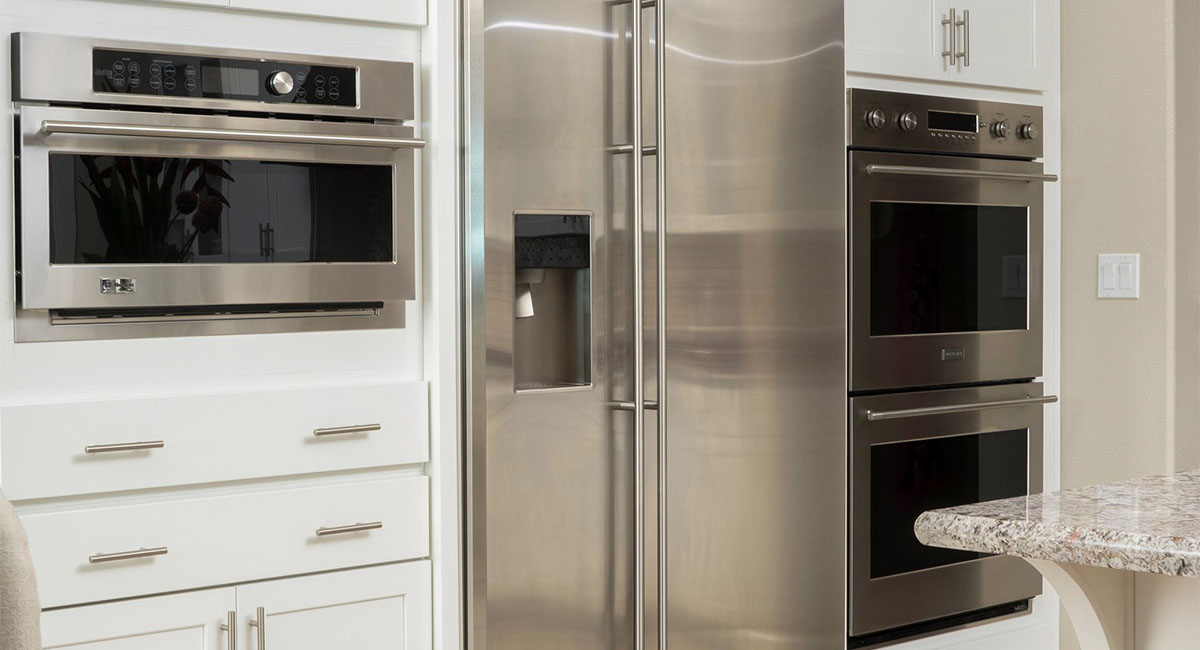
While you’re planning your next summer vacation, make a note on your calendar to pick up new luggage in March, when older merchandise is discounted to make room for new styles. The perfect combination of new stock and holiday deals make May an ideal time to purchase a new refrigerator:
“New refrigerator models are released in May, making that month the best time to score clearance sales on last year’s versions. Plus, you just might be able to tack on additional Mother’s Day or Memorial Day discounts.”
If you can make it through, hold off buying a grill until late-summer. As sellers look to transition inventory for the fall and winter months, you could score a great deal on a new grill. Thanks to back-to-school sales, August is also the time to save on a new laptop.

The article states June is the best time of year to buy a home.. with some equivocation. No doubt, spring to summer is a popular home buying month, as many families plan to get moved and settled before school starts in the fall. But you can get a great value on a new home year-round. The best time to buy depends on your needs and schedule more than a particular month. If you want to move by a certain date, your New Home Consultant can help you find the right home with timing that fits your needs.
From mattresses to a new car, learn more about the best times to buy: The Best Time of Year to Buy Just About Anything
I recently had the pleasure of meeting a neighbor who lives a few homes down from mine. We instantly connected and found we had a lot in common – including living on the same street for over 5 years! After exchanging numbers and saying goodnight, I couldn’t help but feel a little sad that we hadn’t met sooner. These tips, from Agent Ace for HomeAdvisor, offers great suggestions for getting to know the people, business and hidden gems of your new neighborhood. For homebodies like me, it’s a good reminder to keep exploring and getting to know my neighborhood and community.
Let’s face it, after the shine of moving into your new home has worn off, it’s time to actually leave the house and get to know your new neighborhood. For the social butterfly, this is an easy step. You’ve likely already taken muffins to the neighbors, scheduled a play date for your toddler, and found your favorite coffee shop.
For those of us who need a little help venturing out, we’ve put together a quick list of easy and creative ways to get to know your neighborhood that can make the transition into your new environment a whole lot smoother.
Try these six creative ways to get to know your neighborhood:

One of the best ways to get to know your new neighborhood when you move to a new place is to simply walk around – get a little lost even. It can be tempting to see the city through only your car window using navigation to get from point A to point B, but what’s the fun in that? Each weekend just try meandering down a new street – stop to sit in the parks and peruse the store windows. Exploring 15-30 minutes in a new direction each week will have you feeling at home in no time.

A new city means new experiences, but often times all the options available in a new place can seem overwhelming. To help focus your efforts, try signing up for discount marketplaces like Groupon, Scoutmob, or Thrilllist– they’ll provide you a curated list of local experiences, stores, and restaurants (often at a discount) to help explore your new neighborhood. You may even end up visiting places that long-time locals don’t know about.

If you’re using an experienced real estate agent they are most likely a neighborhood expert. They not only know the local market well enough to score you a great deal on your new home, but they know which local haunts are worth your while – coffee shops, restaurants, boutiques, and more. In addition to finding you a home, your realtor is there to be a neighborhood ambassador. Take the opportunity to pick their brain, or have them tour you around.

It may seem commonsensical, but local papers or blogs in your new town are great sources of information. Chances are there are some local events happening in your community that will get you mingling with the neighbors. These great sources of info will keep you up to date on the happenings around your neighborhood from news, to concerts, to new restaurant openings. Even if you can’t experience it all, simply knowing what’s going on around you will make you feel more at home.

Truly feeling like a local in your new community can often take years. Volunteering, however, can be a great way to shorten that timeline. Try pounding the pavement on local political campaigns, or donate time supporting neighborhood food co-op or food bank.

In today’s world where so much social interaction happens in cyberspace – not face to face – people have become apprehensive about talking to their neighbors. Leave your comfort zone and introduce yourself to your neighbors right away. If you wait to long, the situation can become awkward and you’ll settle on an impersonal waving relationship. Your neighbors have likely lived in your new city for at least a few years and are a great source of information. Don’t be afraid to strike up a conversation.

Article by Agent Ace for HomeAdvisor via HomeAdvisorHomeSource.com
Just like any holiday guest, if Santa Claus is coming over, you have to feed him! Of course, St. Nick’s favorite meal is a plate of cookies. If the thought of more holiday baking makes you feel faint, or you just need a quick and impressive treat for a last-minute gathering, we’ve rounded up our favorite no-bake cookies. These also make great activities to share with the children in your home.
No-Bake Chocolate, Peanut Butter & Oatmeal Cookies
A staple growing up because there was always an excellent chance my mom had everything in the pantry ready to make this dessert. Chocolate, peanut butter, and oatmeal… what else do you need? Simply mix ingredients on the stove-top and drop on parchment paper to cool on the counter.
Take an already amazing cookie and in a few steps you have the ultimate truffles. Add sprinkles for a festive flair or coase sea salt for a more intense chocolate flavor. These can be easily customized to use any kind of sandwich cookies.
The kids will love helping you “cook” this fantastic treat, but don’t be surprised if a few bites of one or more of the (only) three ingredients goes missing along the way.
Need a break from all the holiday cookies? This gourmet-inspired (but very simple) idea takes an ordinary snack to the next level with the addition sweet and salty toppings. Perfect for a night of watching your favorite holiday movies!
Don’t forget about Santa’s reindeer! This fun and colorful snack will make sure none of Santa’s crew feel left out. The best part – you don’t have to be a reindeer to love this addictive treat!
Need a BREAK from all the recipes that you have to BAKE? Check out Lennar’s No-Bake Recipes board on Pinterest!
At Lennar, we love color! From transforming a room to showing off your personal style, it’s no surprise one of the first items on a new homeowner’s to-do list includes a trip to the paint store. Before you pick up that brush, Sarah Ristorcelli from New Home Source explains what you need to know when selecting interior paint for your home. And here’s a bonus tip: avoid a paint mess with this trick from Lennar’s How To U.
No decorating decision shapes your experience of living in your home like your choices of interior paint colors and applications.
Between hiring a painter or doing it yourself, choosing colors and types of paint and then determining which surfaces (floors, walls, ceilings) will get painted, you may feel that you have your work cut out for you.
Relax, we have you covered. Below are some tips to help you make educated decisions and end up with a beautifully painted home that reflects your style, coordinates with your furniture and lasts for many years.
Hire a painter or DIY?
If you have high ceilings, a large home or a time crunch on your hands, consider hiring a painter. Angie’s List is one of the best sources of painting contractors because recommendations on the site are genuine and never paid for. Through Angie’s List, you’ll be able to find a bonded and insured painter who has impressed many homeowners in your area with their great work.
Another possibility is FreshCoat, a chain of franchises throughout the United States. Before signing on with a painting contractor, it’s essential that you get a firm quote. “Typically, painting contractors provide broad estimates, not quotes,” explains Greg Platz, director of operation for FreshCoat. “They often don’t explain to their customer what makes up the final price. Is paint included? Is prep included? How long will the job take? Estimates, more often than not are just that, estimates. The customer is not able to appropriately budget and know exactly what the end product will be.”
Platz goes on to say that firm, fixed quotes protect everyone involved by setting up clear expectations. Quotes should contain line-item details and pricing for each task to be completed. Each line item should be very specific and to the number of coats that will be applied to each surface, the prep involved and all other aspects of the job.
If your home is smaller, you’re trying to save money or want to try creative applications like stencils or checkerboard floors, consider doing the work yourself. Budget an appropriate amount of time so you can complete the job before you move into your new home.
Consider low or zero VOC paints
Eco-friendly paint isn’t just a green trend. Using paint with zero or low-VOC (volatile organic compounds) can make a big difference in the air quality of a home. VOCs are found in many paints, stains and cleaning products and are produced by solvents used in the manufacturing process of these products. As paint cures and dries, airborne solvents are released and can create an unhealthy environment. Platz advises that you choose eco-friendly paints — of which there are now many options — to reduce your exposure to VOCs.
“Anyone who has ever experienced the fumes of a freshly painted house has experienced the negative impact VOCs have,” he says. “Eco-friendly paints greatly reduce this issue.” And don’t forget the benefits to the planet: “Environmentally speaking, eco-friendly paints contain far less solvents and harmful chemicals, and no oil.”
In terms of good, better and best, look for premium-grade zero VOC paints that also use VOC-free colorants, are free of vinyl and other plasticizers and include no toxic biocides. You can recognize these paints by the environmental certification seal on their label.
When choosing colors, don’t fall prey to common misconceptions
Now for the most fun part: choosing colors. We all carry with us some misconceptions about paint colors that should be overturned before we narrow down.
Donna Schroeder, manager of color and design for Sherwin-Williams, addresses a common misconception, namely that small rooms shouldn’t be painted dark colors. “It’s true that darker colors can make a space seem smaller, but that’s not always a bad thing,” she says. “If you’re trying to create the sense of intimacy or coziness in a room, darker shades can help you achieve this.”
Another misconception: colored ceilings seem too low. “People often paint their ceilings white because they are afraid of them feeling too low if they use a color, says Schroeder. “To the contrary, using a color can also create the sense of depth, giving the illusion that the ceiling is higher.”
When picking colors, “too often, people are controlled by color trends,” says interior designer and color expert Kathryn Marsh. “Your feelings and moods define the colors that are best for you. The colors in your home need to reflect your preferences and fit in with your lifestyle.”
The latest trend may not be your friend: where to look for inspiration
Since color trends change quite often, consider whether you want to repaint frequently or choose paint colors that represent your style identity over the long term.
When looking for colors, you can find inspiration anywhere. “You can use a piece of fabric, a painting or your favorite foods and choose colors from there,” Marsh says. “Even a favorite vacation spot and the colors from that area can inspire you. Or you could use the colors from your garden.” Even a stunning photo or book cover can get you thinking about how colors would work in a room.
Also take into account the mood you want in each room. A room with many windows looking to the outdoors will shine when coated in nature’s colors, like pale green or blue. If you want your bedroom to feel intimate and private, a deep, soothing color like grey, brown or blue could work. Children’s rooms are an opportunity for playful colors and bathrooms tend to be where we experiment with strong, unexpected colors.
Is your furniture neutral or is there a defined range of colors that will work with the furniture to be placed in a room? “Consider fixed elements and furniture,” advises Marsh. “Compare your paint samples with your furniture, flooring, cabinets, counters, fireplaces, lighting and plumbing fixtures. By keeping these in mind, you will avoid the colors in your room clashing. You want your colors to harmonize.”
Once you’ve decided which colors will go in each room, determine which finish you want. Rooms where children will be and other spaces that are likely to get splattered on, such as the kitchen, do best with eggshell, which is easier to clean than matte.
Schroeder also says that “the higher the sheen, the more reflection you will have.” So, you might not want a glossy paint in your media room, where light from your screen will bounce around on the walls and become a distraction. On the other hand, a den with a fireplace that is mainly used in the evening will benefit from some shine in the paint and will play up the flames in the fireplace.
Personalize your paint with hip new stencils and other special applications
Stencils are not what they used to be. For those who grew up with country-style chickens, hearts and pineapples on your mother’s walls, there’s a fresh, new wave of modern designs to discover.
“Stenciling walls, ceilings, floor and furniture is a great way to add pattern and personality to any space,” says Melanie Royals of Royal Design Studio in Chula Vista, Calif. “Whether it’s a bedroom, living room or kitchen, the great benefit to using stencils is that the homeowner can personalize the pattern with the colors of their choice that work well with their own environment.”
One of the hottest trends in stencil designs is new takes on classic geometric patterns such as chevron, herringbones, triangles and even polka dots. “These simpler motifs work well in both modern and transitional interiors and allow home decorators to create an engaging design on their walls that compliments, rather than competes with, other patterns in the room,” Royals says.
Annie Sloan, decorative paint expert and author of Colour Recipes for Painted Furniture and More, encourages folks to use paint creatively to take rooms from boring to eye-catching. Speaking of new homes in particular, Sloan says, “if you have an opportunity to paint a floor with a pattern, you’re off and running when it comes to putting your own stamp on the house, and creating a unique look.”
Article by Sarah Ristorcelli, originally appeared on NewHomeSource.com.

