
The ideal landscaping should not only be beautiful to look at, but also compliment your lifestyle and tastes. Your preference may range from a low maintenance lawn requiring little up keep to a lush green yard that let’s you exercise your green thumb.
The right landscaping can also have a direct impact on your home’s energy efficiency. It’s possible to create a landscape plan specifically to reduce energy costs and conserve energy. This infographic from Energy.gov explains everything you need to know about energy efficient landscaping.

In addition to saving you money, an energy efficient landscape can lower your maintenance costs, conserve water, protect your home and lower noise and air pollution. The best landscaping strategy will depend on where you live. In cool climates, plant trees to allow the winter sun to reach south-facing windows. Harness the sun’s heat and give your thermostat a break.
In hot-arid regions, like most of California, you’ll want to add shade tress to keep you home’s walls, windows and roof cool. Additional shade can cut energy bills by up to 50%! Those in the gulf coast region should avoid plant beds that require frequent watering near the home (no need for even more humidity!). Temperate regions should take advantage of sun’s warmth in the winter and maximize shade in the summer.
Use this map to determine your climate region and get more information on your best landscaping strategy.
If you’re dreading winter for what it does to your heating bills, consider landscaping for windbreaks. Windbreaks can reduce heating expenses by lowering the wind chill near your home. According to Energy.gov, planting evergreen trees like camphor and shrubs to the north side of your home can reduce the wind’s chilling effects.
Every summer as a child, my family vacations were spent at a cozy lakeside resort. By day, the kids would swim and devour chicken finger baskets. After dinner, we’d gather around the fire pit to roast marshmallows and make s’mores. Happy, relaxed, and full of sugar, we would barely notice as the sun set and stars appeared.
These days, fire pits aren’t just relegated to vacations and special occasions. With a unique ability to transform a backyard into a relaxing oasis, fire pits are becoming a more popular outdoor décor option. If you’ve been thinking about adding a fire pit to your outdoor space, here are some things to consider, along with ideas and inspiration from Lennar homes across the country.
Before starting the process of buying or installing a fire pit, check with your Homeowner’s Association, county, and city ordinances to determine the laws and regulations in your area. Be sure to get any necessary permits before building begins.
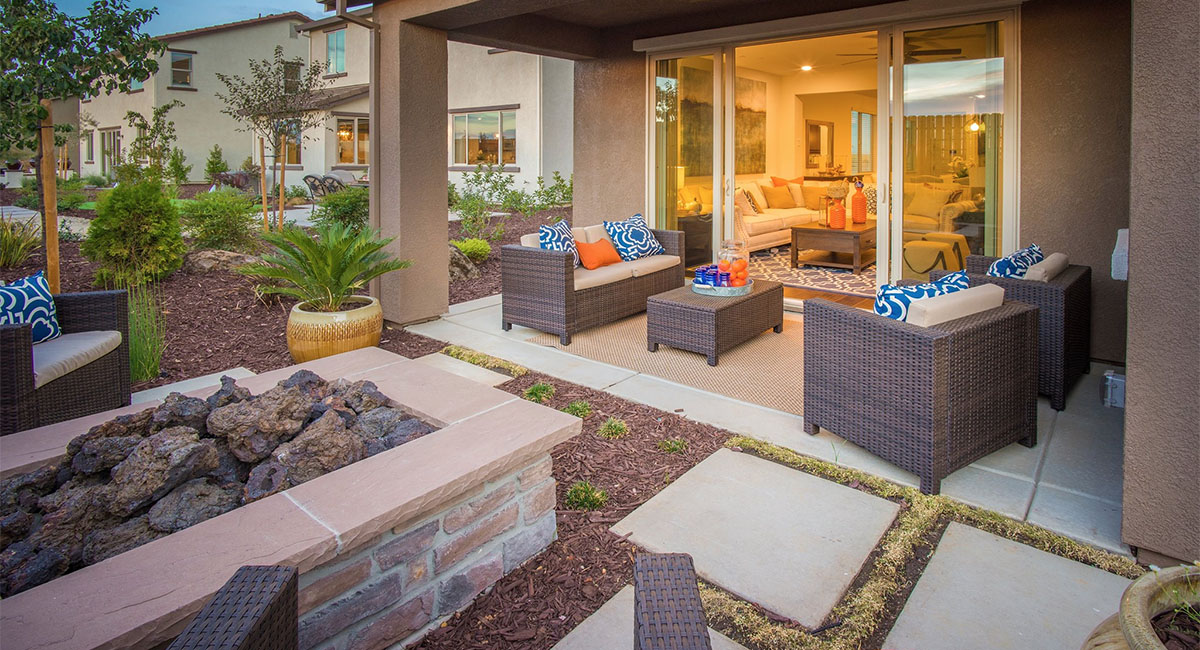
How much do you want to spend? The cost of fire pits can widely range depending on the size and materials. Smaller, free-standing fire pits can start at under $100 at home improvement stores. More elaborate and permanent structures can easily go into the $1,000s. Decide if your fire pit will be wood, gas or coal burning, as that may factor into your initial and ongoing costs.



Depending on your current space, you may already have the perfect location in mind for your fire pit. If not, determine a location and any landscaping changes that may be necessary. It’s important to find a location where the fire pit will be on a flat, level surface that’s way from your home and other outdoor structures.

Yes, it is possible to make your own back yard fire pit! Several tutorials are available on the internet to provide step-by-step directions (like this one). If you’re looking to tackle a bigger project, consider hiring a professional. It’s a good idea to gather several estimates and find a professional that best fits your vision and budget.


No matter the size or type of fire pit you choose, it’s essential to always practice fire safety. When in use, never leave a fire pit unattended or leave children unattended nearby. It’s also recommended to use a spark screen and avoid using your fire pit on a windy day. After using, allow the embers to cool completely before transferring to a fireproof container. Always keep a fire extinguisher nearby as a precaution.

Allow flames to burn out naturally rather than pouring a large amount of water directly onto the fire, which may cause damage to the structure. When not in use, cover your fire pit to protect it from rain and other outside elements.

Are you considering getting a fire pit for your backyard, or do you already own (and love) one? Let us know in the comments!
Could you be wasting money on home energy without even knowing it? Is it really possible to cut your energy bill in half? Small things you do (or don’t do) every day can make a big impact on your savings over time.
Find out your home energy IQ with this fun quiz from Safe Bee. See what you’re doing right, and get valuable tips on how to generate significant savings on home energy costs. According Safe Bee, it’s possible to save up to 30% on home energy costs just by repairing drafts and air leaks throughout your home.
If you’re curious about the ideal temperature to set the hot water heater, or the benefits of low-e windows, check out the quiz. Making small changes at home to save on energy can not only save you money, but help conserve our limited resources.
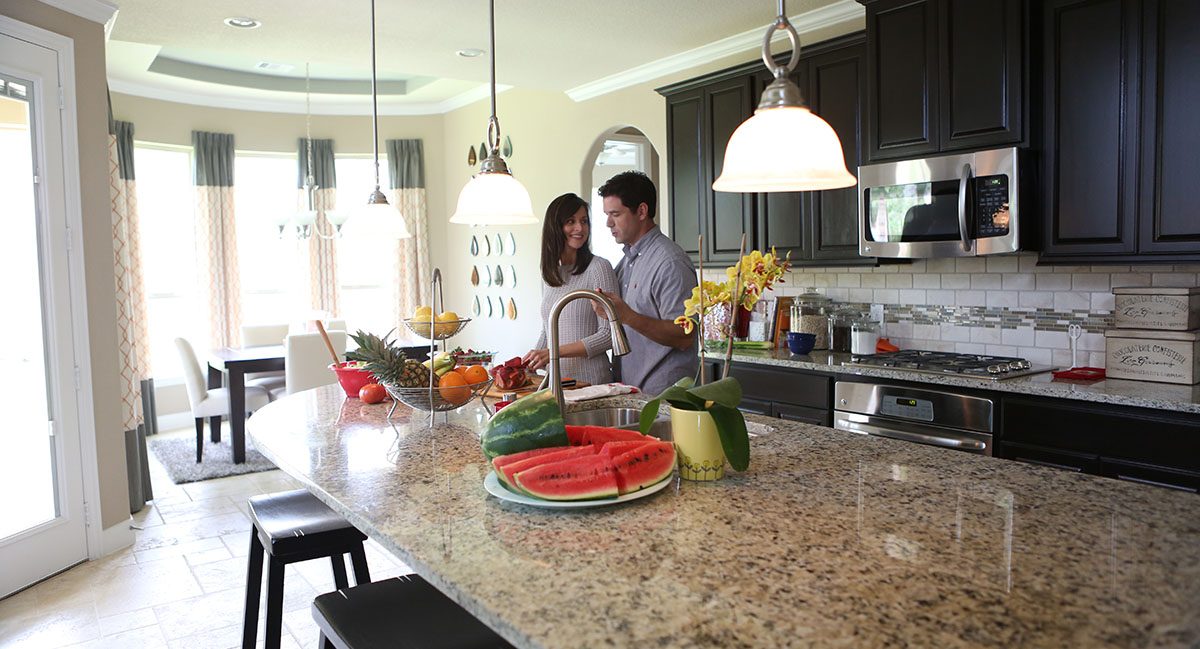
At Lennar, we believe that energy efficiency shouldn’t be an upgrade, so we’ve included a wealth of green features in each home – at no additional cost. Lennar’s cutting-edge green building features greatly enhance the quality of your home, while decreasing your monthly utility bills. Learn more at ei.lennar.com.
Sapphire, the birthstone of September babies, has been used as a symbol of trust, loyalty, and wisdom since the Middle Ages. According to the American Gem Society, folklore suggests that sapphires can protect loved ones from harm and attract blessings. From attracting positive energy and projecting confidence to creating a calm and relaxing atmosphere, sapphire is an ideal color to add to any home design.
Although sapphires come in a variety of colors, the most popular and prized hue is a vibrant dark blue. Whether you need a change, or just want ideas and inspiration, we’ve gathered up some of the most fun, exciting, and bold uses of sapphire in interior design from Lennar homes across the country.
Looking to add drama to a room, but still want to keep the space feeling open and light? Consider a bold sapphire-inspired accent wall. Painting just one main wall is a great way to add a colorful elegance to any room.



Sapphire colored accessories, like placemats, wall art, pillows, rugs and lamps are perfect for tying together different spaces in an open-layout plan. Take your space from neutral to vibrant with just a few thoughtful accessories.




Sapphire is also a popular choice since it works well with other colors like greens, yellows, and reds. Neutrals like cream, white, black and brown are also great backgrounds to give even more impact to sapphire tones.





The color blue has been shown to bring down blood pressure and slow respiration and heart rate making it ideal for bedrooms and baths. In more social areas of your home, like the living room, consider keeping the accessories neutral and adding drama with a bold piece of sapphire-colored furniture.


Resources
15 amazing facts about sapphires the September birthstone
Room color and how it affects your mood
Behind the color blue
American Gem Society: September birthstone
According to the National Association of Realtors, 88% of all homebuyers will research online before buying a new home. More now than ever before, shoppers are turning to the internet to arm themselves with tools and resources to become well-informed home buyers. Knowing your purchasing power and the costs associated with buying a home can help target your new home search, make educated decisions, and avoid surprises along the way.
One of the best tools to use throughout your home search are online calculators. Home buying calculators allow you to easily and quickly view cost estimates and comparisons based on home price, monthly payment, mortgage type and much more. To get you started, we’ve rounded up 7 of the most useful online calculator resources for home buyers.

If you’re looking for a one-stop source for home buying calculators, look no further than UAMC. Lennar’s in-house lender is dedicated to helping you get on the path to homeownership with financing options that best fit your needs and financial situation. UAMC’s calculators can help you estimate your monthly mortgage payment, compare terms, determine your purchasing power and much more. You can even explore refinancing your current loan. {Learn more}
If you’re currently renting, this calculator gives you a side-by-side comparison on the cost of renting versus buying a new home over time. But be warned – you may find that owning your dream home can actually save you money! {Learn more}

Here’s a great resource for quickly estimating how much you may need for a down payment. This calculator not only considers the home price, but the loan type and your location. The best part? Your down payment is less than you may think! {Learn more}
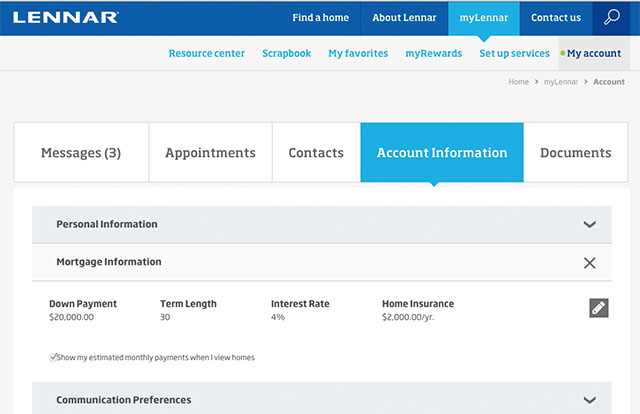
Once you determine your new home price range, you can start narrowing down your home search. I may have a slight bias, but what’s more fun than browsing new homes online? With a myLennar account, you can input and save mortgage information, which allows you to quickly view an estimated monthly payment for any home you see on Lennar.com.

Are you considering relocating for a great new job or dreaming of retirement in a new city? This helpful calculator allows you to compare the cost of living in another city based on your salary. Get an idea of how the price of groceries, utilities, housing and healthcare can differ from one location to another. Whether you decide to stay put or take the leap to a new town, seeing how far your salary can go in another metro area can be an eye-opening experience. {Learn more}

If you’re trying to improve your credit or increase your savings, it’s helpful to plan a detailed household budget. This worksheet is a great way to see where your money is going and stay on track with your goals. It’s also worth taking a look at your budget periodically, especially when moving or experiencing a job or family status change. {Learn more}

Here’s one that’s just for fun! Once you find your dream home, no doubt you’ll be counting the seconds to closing day. This tool does just that. Simply input the date and watch time tick away to your new home!
You can also use this to count down to other celebrations like a wedding, birthday, holidays or any other much-anticipated date. {Learn more}
These calculators are a valuable way to research and gather information and estimates throughout your home buying journey. For more information on your specific financial situation and home buying needs, please speak with a Lennar New Home Consultant, loan officer, or financial advisor.
Finding ways to cut your budget and save money can sometimes feel overwhelming, especially if you’re looking to save a significant amount. Whether you’re wanting to save up for a down payment, make some changes around the home, or take a much needed vacation, there are simple things you can do everyday to help reach your goals. This calendar from BrightNest shows exactly that. Just one activity or change each day can add up overtime to make a big impact on your savings.
Here are just a few of the ways you can save this month according to BrightNest:


{Get the printable: Your September Calendar for Saving Money}
After moving into a new home, you may find your kitchen lacking in the food department. A well-stocked pantry and fridge can go a long way to making you feel at home in your new place. Once the task of unpacking is underway, no doubt a trip to the grocery store will be top priority.
If stocking up a new kitchen with food feels overwhelming, this list from The Kitchn breaks down your shopping list for the first week. When filling your new pantry with cooking essentials, think basics first. Since pantry staples for you may be completely different for someone else, this list can easily be customized to fit your needs and preferences.
Think about what you’ll need to cook basic meals in your new home, at least for the first week. If you’re new to the area, it could take some time to discover the best take-out spots in the neighborhood. If you need some inspiration, check out these meal plans. Also, keep in mind items you threw out or donated before the move. What must-haves to do you want to be sure to replenish?
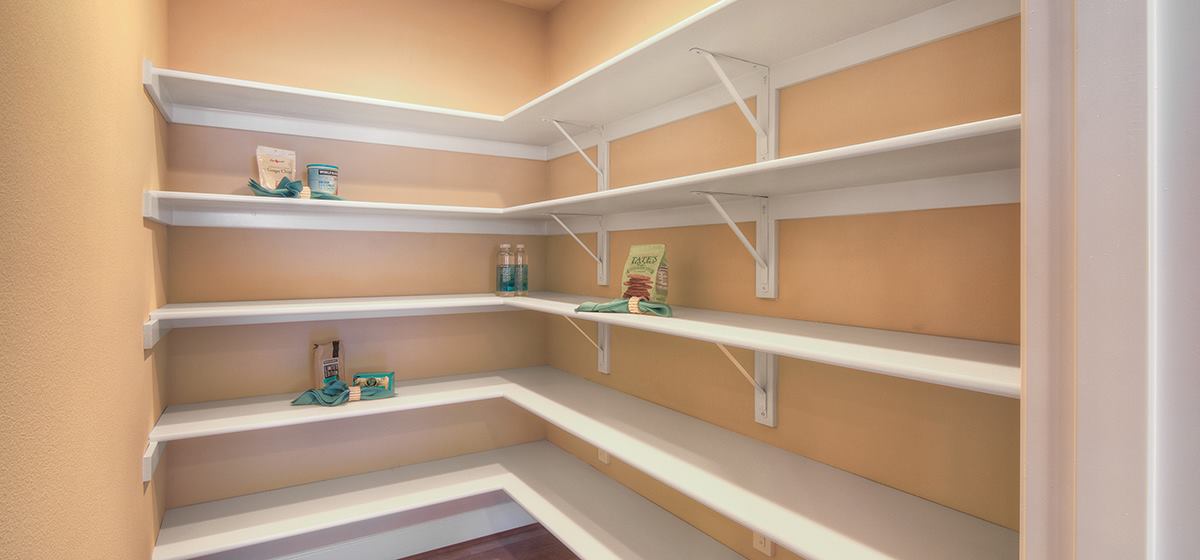
Before the big move, try to limit grocery shopping and start eating! Using up as much food as you can, especially perishables, means less to throw away or pack up when moving. Clean out the pantry and throw away any expired items – like that poultry seasoning from three Thanksgivings ago. Consider donating non-perishable items to a food bank or your neighbors. The local food bank will be grateful for the canned goods and your movers will thank you!
If you’re moving a short distance, you can take perishable items with you to your new home. Use an ice chest for transportation and unpack immediately. Canned goods and non-perishables can be moved in their original packaging or zip-lock bag.
If you didn’t have an emergency stockpile of food at your old place, now is the perfect time to create one. Use this list and stock up on extra items while you’re at the grocery store.
{Get the list: Shopping list for the first week in your new kitchen}
What are your new kitchen essentials? Let us know in the comments!
There is a good chance that over the summer you’ve bought and used your fair share of lemons. Great for flavoring everything from water to fish, this tiny fruit packs a big punch.
Did you know a lemon’s usefulness extends beyond your favorite recipes? Thanks to their acidic and antibacterial properties, lemons are an effective and inexpensive way to clean, remove smells and freshen up your home. Plus, many families are turning to non-toxic cleaning methods, like using lemons and vinegar, to replace harsh chemicals.
So what can you do with lemons besides making lemonade? According to Porch.com, lemons can be used to:
1. Clean the microwave
2. Refresh a room
3. Remove cutting board smells
4. Freshen up the garbage disposal
5. Freshen up the fridge
6. Clean the coffee pot
7. Remove grease
8. Polish chrome
Check out this video from Porch.com for details on 8 great ways to use lemons around the home. Stock up the next time you’re at the grocery store and put your lemons to good use. And once your home is clean and refreshed, add lemons to a glass bowl or vase for a bright and cheerful centerpiece!
Your friend finally moved into their perfect home… now you just need to find the perfect housewarming gift! To welcome a loved one into their new home, you want a gift that is memorable, practical, and budget-friendly. If that seems like a bit of a challenge, then check out this great list from The Everygirl. Not only does this gift round-up include thoughtful gifts any new homeowner would love, but these items will actually get put to use for years to come.
We also love the idea of making a gift, like this DIY Housewarming Bucket, perfect for a first-time homeowner. This customized street map puzzle would be a fun way to help a family get acquainted with their new neighborhood. Or keep it simple with a heartfelt card congratulating your friend on their new home.

Moving into a new home is incredibly exciting. Of course, there are a few grueling weeks of unpacking, arranging furniture, hanging art, and generally getting settled, but once moved in there is only one thing to do: throw a housewarming party! It’s the perfect excuse to get your friends together, show off your new space, and have a few cocktails.
If you are on the receiving end of this invitation, you’ll want to bring a thoughtful yet practical housewarming gift. Instead of filling up a friend’s home with useless knickknacks, give them something they will actually use. Here are a few gifts your friends (and your wallet) are sure to appreciate.
Do you have a favorite housewarming gift, either as the recipient or giver? Let us know in the comments below. We’d love to hear your ideas!

