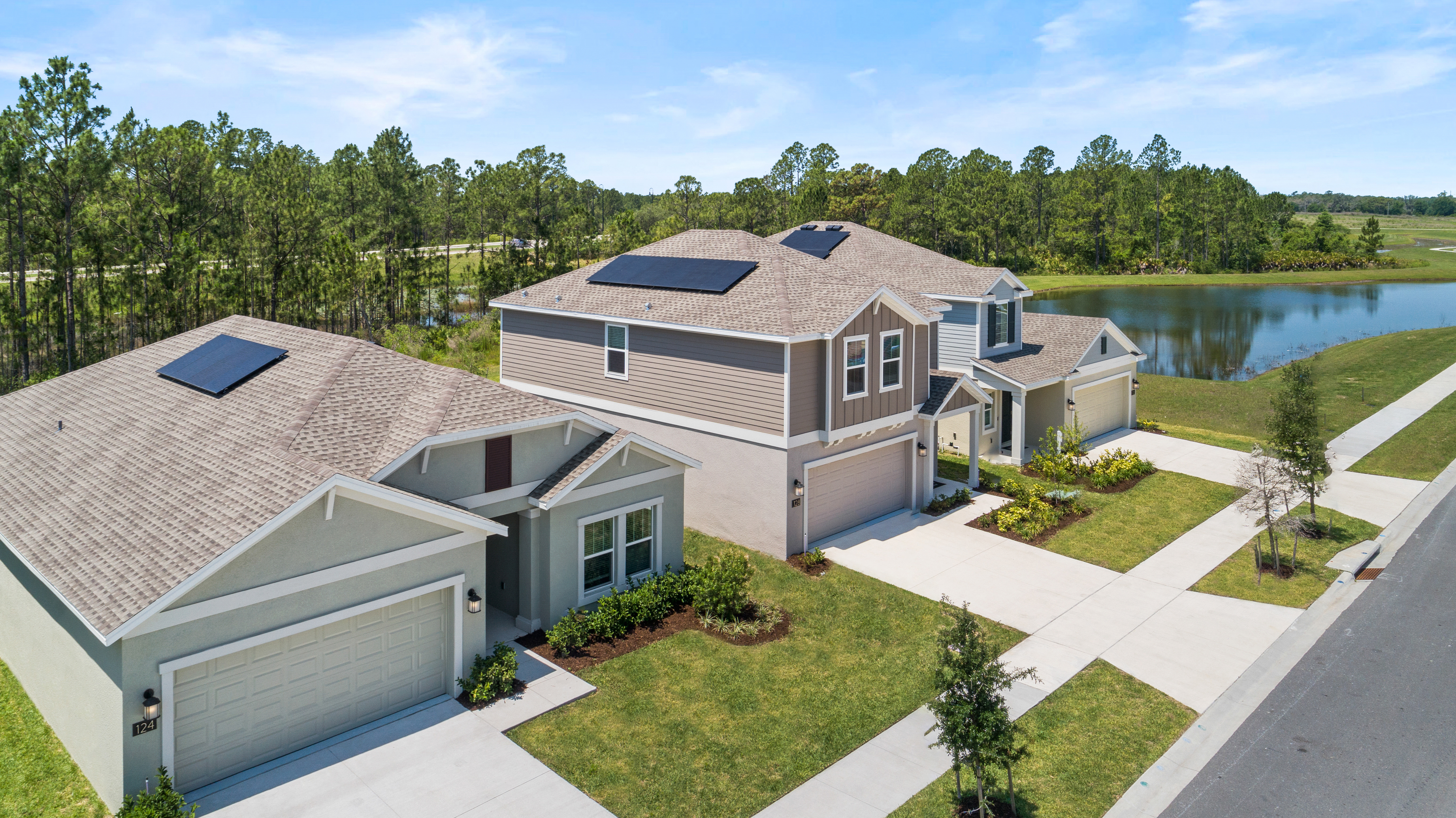
Year after year, Florida keeps drawing in new residents. The state added about 197,000 people between July 2024 and July 2025, the second-largest gain of any state.1 Some come for the beaches and year-round sunshine. Others come for the job market, the tax picture or the chance to buy more home than they could where they live now.
If you’re asking yourself “where should I live in Florida?”, the honest answer is that it depends on you. A household with school-age children will weigh different things than a young professional or someone planning for retirement. The Panhandle, Central Florida and the southern coasts can feel like different states.
This guide covers what makes Florida a good place to live, the best places to live in Florida for different lifestyles and what to know about buying a new home once you’ve narrowed your search. Explore new homes in Florida today.
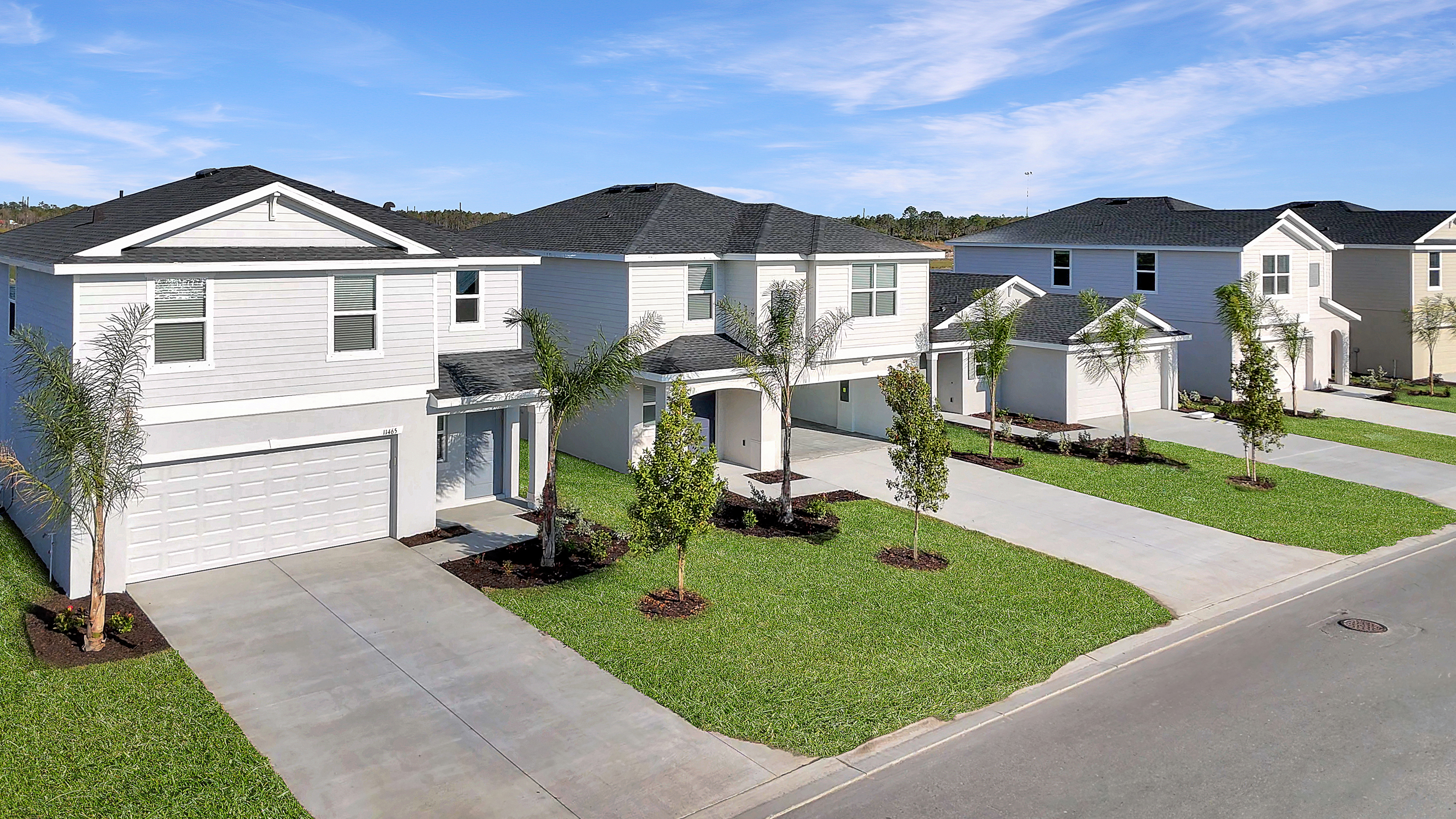
For many people, yes. Florida pairs a favorable tax structure and a growing economy with outdoor living on two coasts. It also offers a wide range of places to live, from small Panhandle cities to major metros. Here are the reasons that come up most often.
Florida’s tax structure lets many households keep more of what they earn
Florida does not have a personal state income tax, which can change the math for households relocating from states that do. Property taxes are local, and homeowners get some built-in protections.
Growth is spreading across the state, not just to the best-known cities
Florida’s momentum isn’t limited to Miami or Orlando. New communities, schools, retail and roads are following residents to suburban and inland areas.
The job market reaches well beyond tourism
Tourism remains a major employer, but Florida’s economy is broader than many people expect.
Outdoor living is part of daily life almost all year
Mild winters mean more months for the activities that brought many people here in the first place.
Florida offers very different lifestyles within one state
Choosing Florida is often less about the state and more about the region.
Retirees and active adults find infrastructure built around them
Florida has long been a retirement destination, so the support system is well established. You’ll find large healthcare networks, a deep bench of active adult communities and community calendars full of clubs, classes and events.
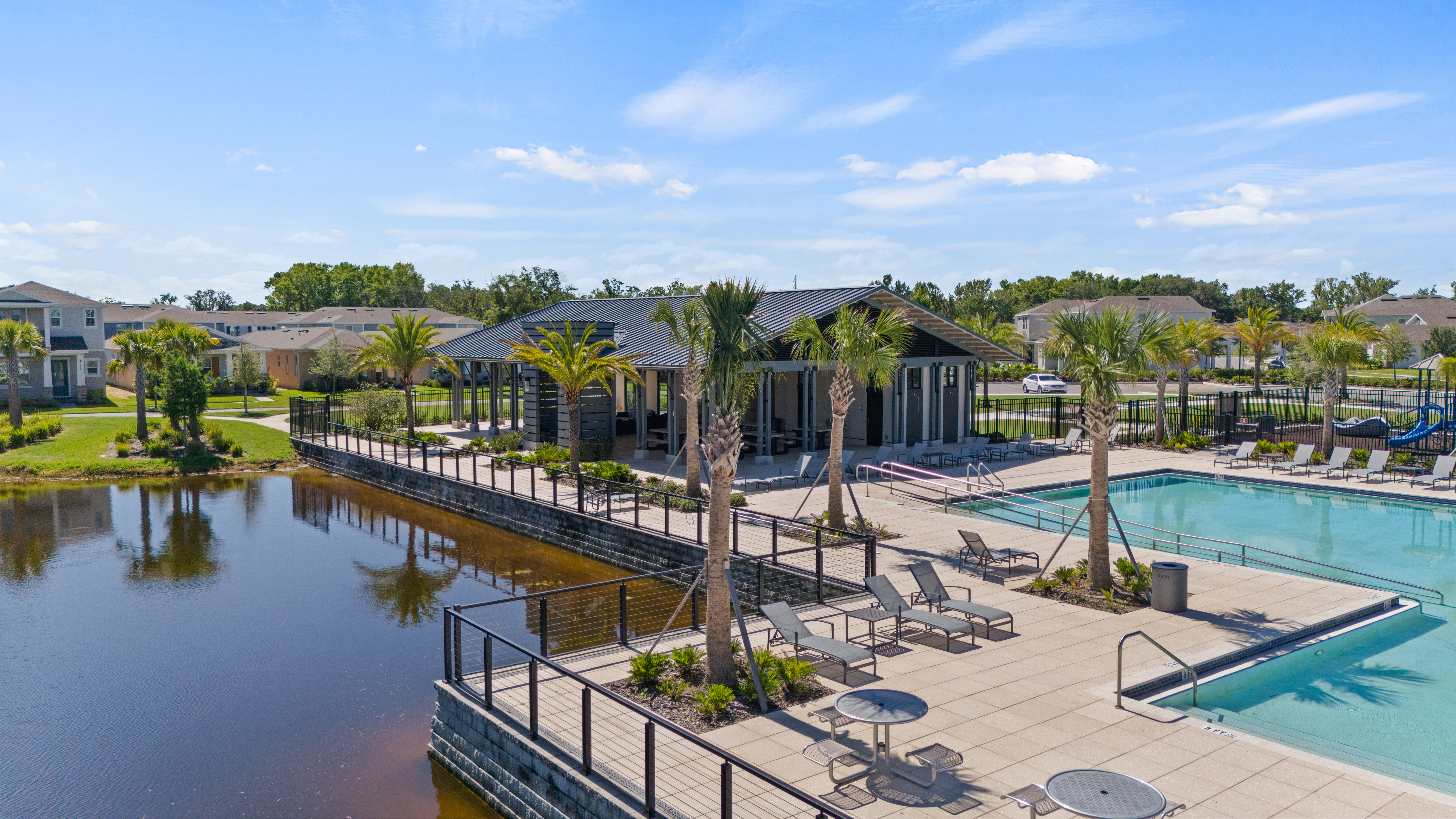
There’s no single best place to live in Florida. The right fit depends on your stage of life, your budget and how you want to spend your days. Here’s a breakdown by lifestyle, with a focus on areas where Lennar builds new homes:
Suburbs near Tampa, Jacksonville and Orlando work well for households with children
Top picks: Land O’ Lakes, Lakewood Ranch and Parrish, St. Johns County, Clermont and Minneola
These growing suburbs pair newer schools, parks and youth sports with reasonable commutes to major job centers.
Many communities here are master-planned, with pools, trails and playgrounds a short walk from home.
Florida’s largest metros give young professionals the most career options
Top picks: Tampa, Orlando, Jacksonville, Fort Lauderdale
Florida’s big metros offer the deepest job markets, along with the restaurants, nightlife, sports and walkable districts that tend to matter most early in a career. Jacksonville, the largest city in Florida by land area and population, often offers more space for the money. Tampa and Orlando combine strong job growth with a wide range of neighborhoods. Fort Lauderdale puts you close to the beach and to South Florida’s international business community. For many young buyers, the sweet spot is a newer suburb within reach of the city core.
Gulf Coast and Northeast Florida communities give active adults the most options
Top picks: Parrish, Venice, Land O’ Lakes, St. Johns, Punta Gorda
For active adults and retirees, Florida’s advantages add up: no state income tax, the homestead exemption, access to major hospital systems and a warm climate for staying active.
Many of these communities are part of Lennar Lifestyle, with clubhouses, pickleball, pools and social programming.
Inland and Panhandle cities offer the most homes for the money
Top picks: Ocala, Winter Haven and Haines City, Panama City, Pensacola, Palm Bay
If affordability is your top priority, look inland and toward the Panhandle. These areas often offer more square footage and larger homesites for the same budget you might spend closer to the major coastal metros.
Lennar homes in Florida start from the $160s, with pricing varying by community.
|
Lifestyle priority |
Top Florida picks |
|
Households with children |
Land O’ Lakes, Lakewood Ranch and Parrish, St. Johns County, Clermont and Minneola |
|
Young professionals |
Tampa, Orlando, Jacksonville, Fort Lauderdale |
|
Active adults and retirees |
Parrish, Venice, Land O’ Lakes, St. Johns, Punta Gorda |
|
Affordability |
Ocala, Winter Haven and Haines City, Panama City, Pensacola, Palm Bay |
Moving to a new state comes with plenty of decisions. A new construction home can take several of them off your list, especially in a state where building standards and insurance matter as much as they do in Florida. The benefits of buying a new construction home when moving to Florida include:
For a deeper look at the trade-offs, see why so many homebuyers are buying new and why more buyers are choosing new construction homes.
Lennar builds in 13 areas across Florida, from Pensacola to Miami
Lennar has more than 175 actively selling communities across the state. Lennar covers the Panhandle at Pensacola and Panama City, and Northeast Florida in Jacksonville / St. Augustine. Central Florida includes Orlando and Ocala. On the Gulf Coast, you’ll find communities in Tampa / Manatee, Sarasota / Manatee and Naples / Ft. Myers. The Atlantic side runs through the Space Coast / Melbourne, Treasure Coast, Palm Beach, Ft. Lauderdale and Miami. If the beach is the goal, here’s a look at Southwest Florida communities near the coast.
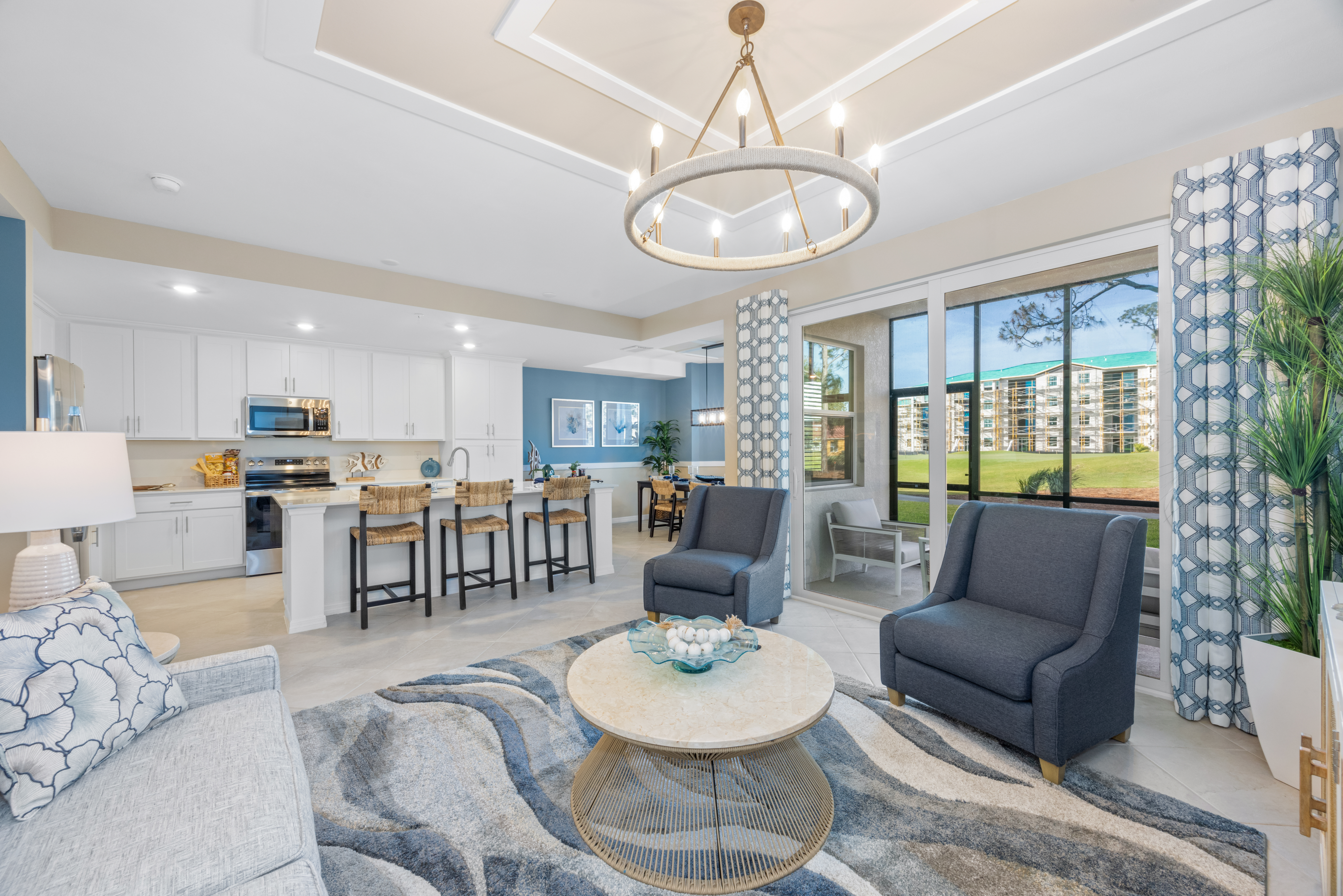
Florida carries the widest mix of Lennar home types, and some master-planned communities offer more than one at the same address.
Many Lennar homes in Florida include today’s most popular features at no extra cost to you. Without upgrade fees. No surprises. That’s what Everything’s Included® means. Depending on the community, it can cover countertops, appliances, smart home technology and flooring.
Specific features vary by community, homesite and home type, so ask your New Home Consultant for the features list for the home you’re considering. You can also read how Everything’s Included® delivers more value.
Lennar’s affiliated services are designed to keep the process moving:
Using these services is always optional. If you’re buying from out of state, a new home concierge can help you narrow communities before you visit. Take the Homebuyer Quiz today to learn which home is the best fit for you and your needs.
Lennar is one of the nation’s leading homebuilders, and Florida is where the company got its start. Whether you’re looking for a single-family home, a townhome, a Next Gen® home or a community for active adults ages 55+, Lennar has options across the state. Everything’s Included® comes standard.
Whether you’re ready to buy tomorrow or still researching, here’s where to start:
What are the safest cities in Florida?
Safety varies by city and often by neighborhood, so it’s worth researching at a local level. Many buyers start with city and county police department data and the FBI Crime Data Explorer, then visit the specific areas they’re considering. Newer master-planned communities often feature well-lit streets, sidewalks and active homeowners associations, which many residents appreciate.
What do people do for fun in Florida?
Plenty. Florida has beaches on two coasts, freshwater springs, state parks, boating and fishing and more golf courses than most people can play. Theme parks, professional sports, spring training baseball, museums and a year-round festival calendar round it out. Each region has its own flavor, from Panhandle seafood to Miami’s international dining scene.
How much does it cost to live in Florida?
It depends heavily on where you live. Housing tends to cost more in South Florida and along parts of the coast than in inland and Panhandle cities. When comparing areas, build a full monthly budget that includes the mortgage, homeowners insurance, property taxes, any CDD assessments, association dues, utilities and transportation. The absence of a state income tax can offset some costs for households moving from income-tax states.
How diverse are Florida’s cities and communities?
Very. Florida is home to residents from across the country and around the world, especially in its larger metros. That diversity shows up in the state’s food, festivals, languages and neighborhoods.
How do I choose between Florida cities if several seem like a good fit?
Start with your non-negotiables: commute, budget, school needs and how close you want to be to the coast. Then compare full monthly costs, not just home prices, and visit two or three areas in person if you can. Many buyers find the decision comes down to region first (Panhandle, Central, Gulf or Atlantic) and city second.
Is Florida a good place to retire?
For many retirees, yes. Florida has no state income tax, a homestead exemption with an annual assessment cap, a large network of healthcare providers and a wide selection of active adult communities. It’s still worth weighing insurance costs, hurricane season and summer heat as part of your plan.
Can I grow my career after moving to Florida?
Yes. Florida’s largest metros support growing sectors in healthcare, aerospace, logistics, finance and technology, alongside tourism and hospitality. Tampa, Orlando, Jacksonville and South Florida offer the broadest opportunities, and many remote and hybrid workers pair a Florida home with employers elsewhere.
Does Lennar build new construction homes in Florida?
Yes. Lennar builds in 13 Florida areas, from Pensacola and Panama City to Jacksonville / St. Augustine, Orlando, Tampa, Sarasota, Naples / Ft. Myers and down the Atlantic coast to Miami. Visit the Florida new homes page for current communities, pricing and availability.
How do I know a new construction home will hold its value in Florida?
No home’s future value can be guaranteed. Buyers often look at population and job growth in the area, school quality, access to employment centers and planned infrastructure. A home built to current Florida code, with modern systems and warranty coverage, can also be easier to maintain and insure over time.
How do hurricane season and homeowners insurance affect buying a home in Florida?
Hurricane season runs from June through November, and insurance is part of every Florida home purchase. The good news is that the insurance market has been stabilizing. Average premiums declined in 51 of Florida’s 67 counties in the first half of 2026, and 21 carriers have entered the state’s market since 2023.5 Get quotes early in your search, since rates vary by home, location and construction. Newer homes built to current code are often easier to insure than older homes.
What is a CDD fee, and will my community have one?
Some Florida communities sit inside a Community Development District (CDD), which can finance community infrastructure and services through special assessments. Those assessments are often collected on the county property tax bill. Not every community has one, and amounts vary by district. Ask your New Home Consultant for the current CDD disclosure along with association dues, so you see the full monthly picture.
When can I claim Florida’s homestead exemption after I move?
To qualify, you must own the home and make it your permanent residence as of January 1 of the tax year. The application is due to your county property appraiser by March 1.2 If you close partway through the year, you’ll typically apply for the following tax year. Your county property appraiser’s office can confirm details and deadlines.
Could Florida’s proposed property tax amendment affect new residents?
Florida voters will decide Amendment 3 on the November 3, 2026 ballot. As described by county property appraisers, the proposal would increase the homestead exemption for qualifying properties. It would also reduce the assessment limit for non-homestead properties and establish additional residency-related provisions for certain homestead benefits.6 It requires 60% voter approval and, if approved, would take effect January 1, 2027.7 Until then, current law applies. If you’re planning a move around that date, your county property appraiser is the best source for how the outcome could affect you.
Sources
Features, amenities, floor plans, elevations, and designs vary and are subject to changes or substitution without notice. Items shown are artist’s renderings and may contain options that are not standard on all models or not included in the purchase price. Availability may vary. Sq. ft. is estimated; actual sq. ft. will differ. Garage/Bay size may vary from home to home and may not accommodate all vehicles. Models/lifestyle photos do not reflect racial or ethnic preference. Maps are not to scale and are for relative location purposes only. Prices do not include closing costs and other fees to be paid by buyer (including a builder fee as described in the purchase agreement) and are subject to change without notice. This is not an offer in states where prior registration is required. Void where prohibited by law. Copyright ©2026 Lennar Corporation. Lennar, the Lennar logo, Next Gen – The Home Within A Home and Everything’s Included are U.S. registered service marks or service marks of Lennar Corporation and/or its subsidiaries. Seller’s Broker: Lennar Realty, Inc. Construction License(s): Lennar Homes, LLC CBC038894. Date 10/26



