
If you’re considering moving to Des Moines, you’re far from alone. Iowa’s capital has quietly become one of the Midwest’s most appealing mid-sized cities for buyers seeking a slower pace without sacrificing opportunity, culture or convenience. Des Moines combines a strong job market and relatively affordable housing with expanding suburbs, nationally recognized events and a growing food and arts scene.
The city feels approachable in a way many larger metros no longer do. Residents can spend the morning biking along riverfront trails, commute across town in under 30 minutes and still enjoy live music, independent restaurants, breweries and professional opportunities in the afternoon.
This guide explores why people are moving to Des Moines, what tradeoffs to consider, which neighborhoods may fit your lifestyle and how new construction homes can help simplify the transition.
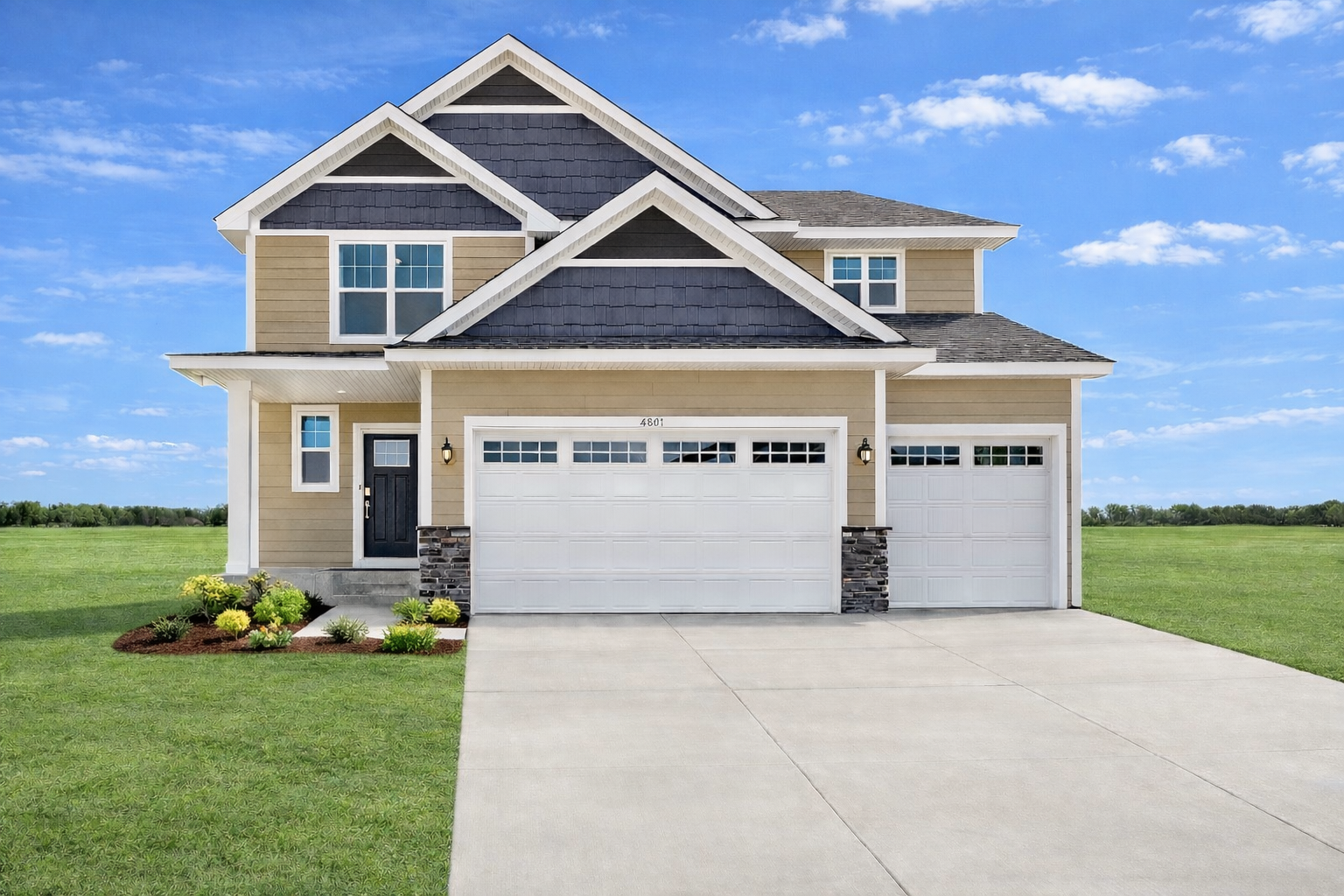
Des Moines has increasingly become one of the Midwest’s standout mid-sized cities because it offers something many buyers struggle to find elsewhere: affordability, economic opportunity and quality of life in the same place.
Des Moines Offers Many of the Benefits of a Larger Metro Area Without the Same Level of Cost or Congestion
Compared to many growing U.S. cities, Des Moines remains relatively accessible for both renters and homebuyers.
The city’s economy consistently ranks among the strongest reasons people relocate to the area.

Newcomers are consistently surprised by how much there is to explore in the city outside of work.
Outdoor access remains one of the area’s underrated advantages.
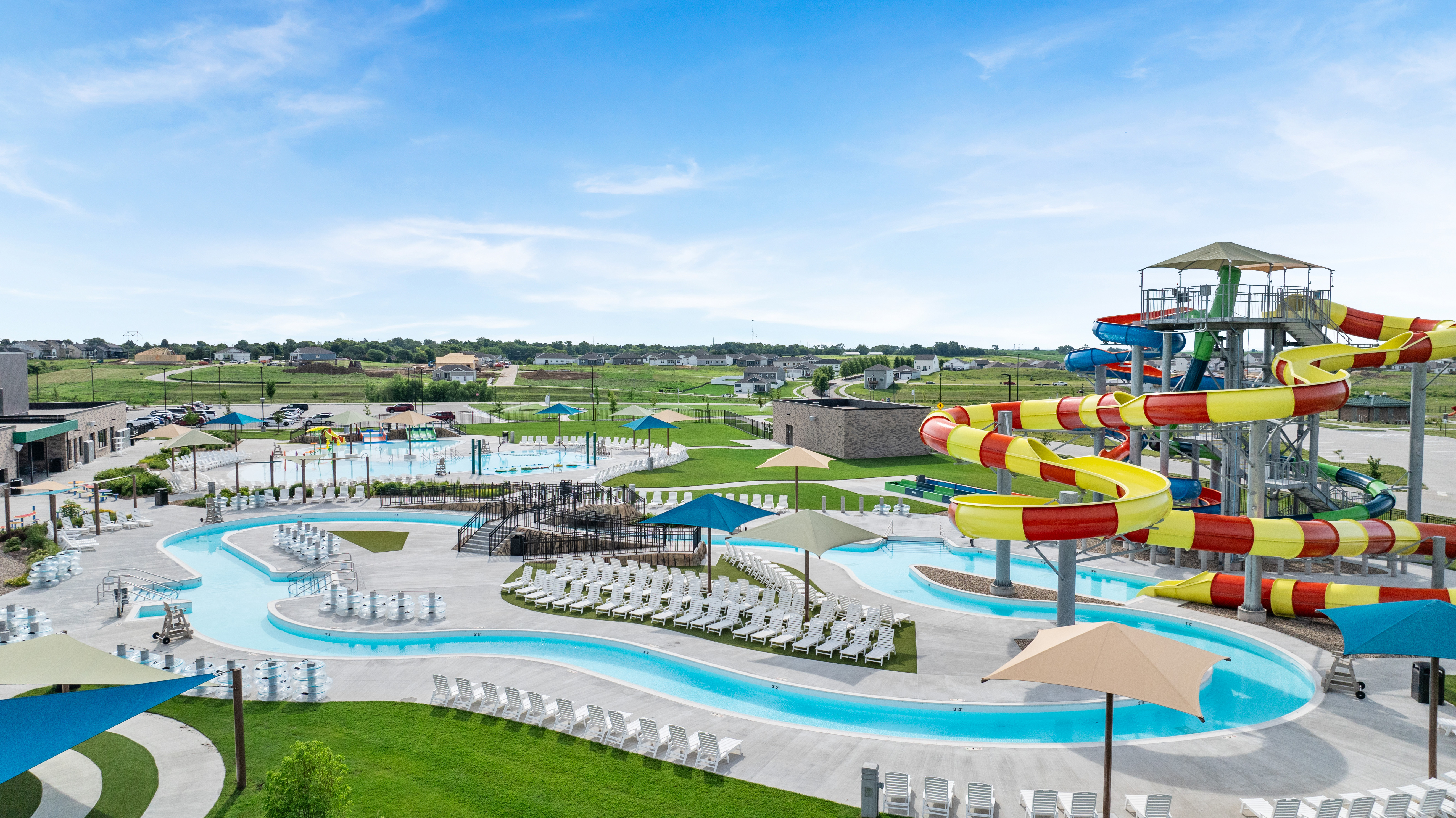
Many buyers moving to the area are looking for suburban communities with room to grow.
Like any city, Des Moines may not fit every lifestyle perfectly. Here are a few factors buyers should consider before relocating:
Choosing where to live in a new city often depends on your lifestyle, commute priorities, budget and stage of life. Des Moines offers a mix of urban neighborhoods, established suburbs and rapidly growing communities that appeal to different types of buyers.
Downtown Des Moines
Ideal for: Young professionals, remote workers and buyers who want an urban lifestyle.
Downtown Des Moines appeals to residents who want restaurants, nightlife, entertainment and walkability close to home. Loft apartments, condos and newer residential developments place residents near breweries, coffee shops, coworking spaces and entertainment venues. The area especially attracts professionals working in finance, insurance, healthcare and technology who want easy access to the city’s business core.
Sherman Hill and Ingersoll
Ideal for: Buyers seeking historic character and a neighborhood-oriented atmosphere.
Sherman Hill and the Ingersoll corridor combine historic architecture, local restaurants, independent businesses and relatively easy access to downtown. Residents appreciate the mature trees, older homes and established neighborhood identity while remaining close to employment centers and entertainment districts.
West Des Moines
Ideal for: Families, professionals relocating for work and suburban buyers.
West Des Moines remains one of the metro’s most popular suburban communities because of its strong schools, shopping, parks and newer housing developments. Residents benefit from access to Jordan Creek Town Center, major employers, recreational amenities and expanding infrastructure throughout the western suburbs.
Waukee
Ideal for: Households prioritizing schools, newer homes, and long-term growth.
Waukee has become one of the fastest-growing communities in Iowa. Buyers are drawn to newer master-planned developments, expanding retail and restaurant options, strong public schools and newer community amenities. Many residents appreciate the balance between suburban space and access to the broader Des Moines job market.
Ankeny
Ideal for: Buyers seeking newer communities with convenient commuter access.
Located north of Des Moines, Ankeny continues attracting buyers because of its newer housing inventory, parks systems, schools and growing commercial development. The area appeals to families and professionals who want suburban living while remaining relatively connected to downtown employment centers.
Johnston and Urbandale
Ideal for: Buyers seeking established suburbs with strong amenities and trail access.
These communities offer a mix of established neighborhoods, newer developments, parks, and access to Central Iowa’s extensive trail systems. Residents appreciate the strong community infrastructure, schools, and relatively convenient access throughout the metro area.
Lennar has the Right Home Type for Your Des Moines Lifestyle
Unlike some builders that charge additional fees for popular upgrades, Lennar’s Everything’s Included® program incorporates many desirable features into the home’s base price.
Depending on the community and home type, included features include::
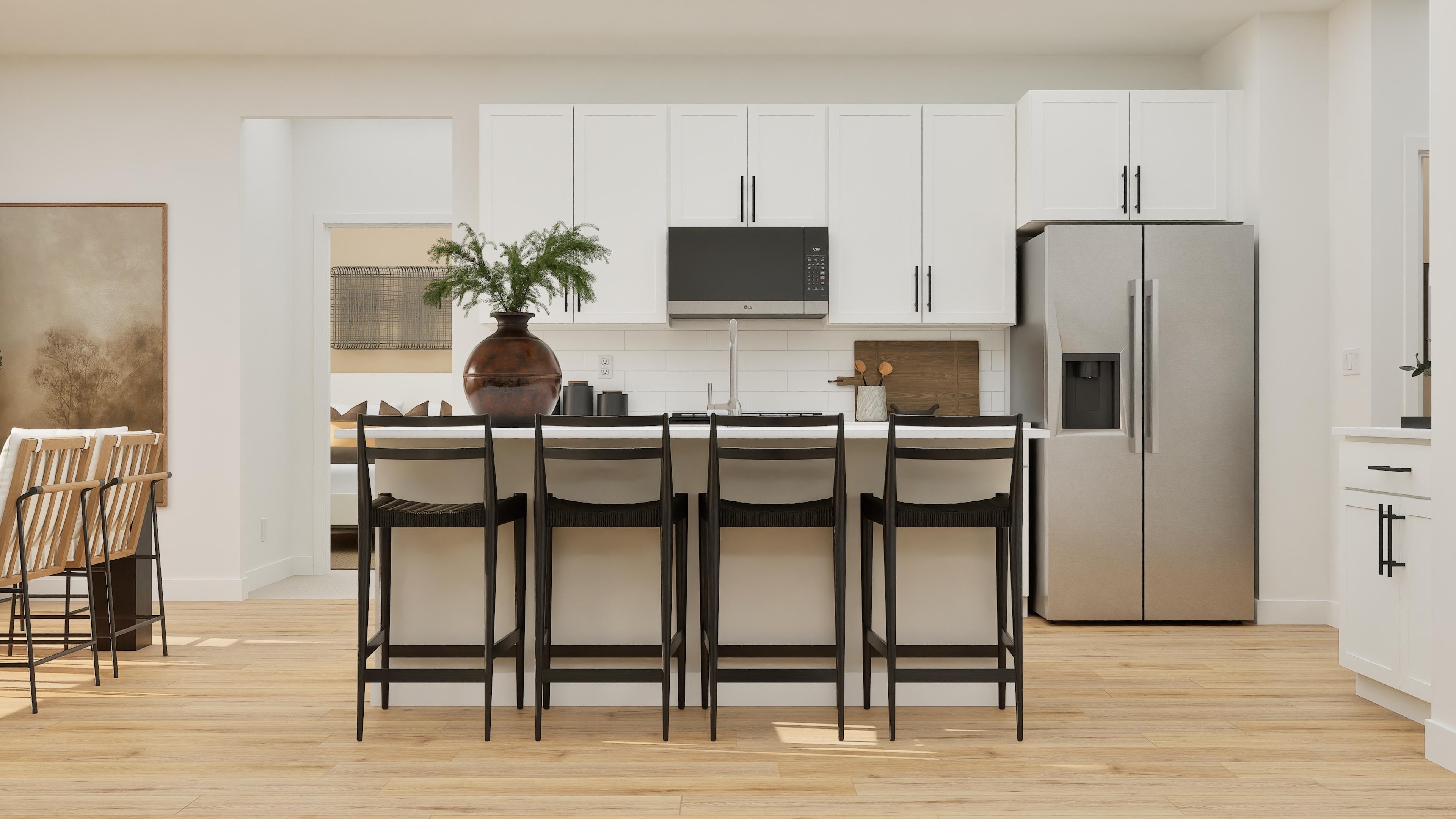
Features vary by community and home type, so buyers should consult local Lennar community pages or speak with a Lennar consultant for details.
Lennar simplifies the buying process through integrated services designed to streamline financing and insurance coordination. Lennar Mortgage, LLC can help buyers explore financing options. Lennar Insurance can help coordinate insurance needs during closing.
Buyers can explore Lennar’s Homebuyer Quiz to narrow down communities and home styles that fit their goals.
With new homes in 30 states across the country, Lennar remains one of the nation’s leading homebuilders. No matter what your lifestyle or stage of life, we offer a wide variety of home styles designed to meet your needs.
Whether you are planning a move soon or still researching your options, Lennar can help you explore communities, compare home types, and find new construction homes for sale in Des Moines that align with your priorities.
Ready to get started?
Is Des Moines, Iowa, a safe place to live?
Like most metropolitan areas, safety varies by neighborhood and suburb. Many buyers relocating to the area focus their search on suburbs such as Waukee, Johnston, Clive, Ankeny, and parts of West Des Moines that are known for newer developments, strong community infrastructure, and family-oriented amenities. Buyers should research neighborhood-specific crime data before moving.
What is Des Moines best known for?
Des Moines is widely known for the Iowa State Fair, its insurance and financial services industry, extensive bike trail systems, growing downtown district and high quality of life relative to cost.
Is Des Moines a good place to live for families?
Many families are drawn to Des Moines because of its suburban school districts, parks systems, youth sports programs, family-oriented amenities and relatively attainable homeownership opportunities.
Where does Iowa rank in education in the United States?
Iowa frequently ranks competitively for public education, graduation rates and educational attainment, though rankings vary depending on methodology and metrics measured. Several Des Moines suburbs are especially known for strong public school systems.
What types of homes are available in Des Moines?
Des Moines offers a broad mix of housing options, including downtown condos, historic homes, suburban single-family developments, townhomes, and new construction communities.
Does Lennar build new construction homes in Des Moines?
Yes. Lennar builds new construction homes in several growing Des Moines-area communities.
What is the process for buying a new construction home in Des Moines if I am coming from out of state?
Many buyers begin by exploring communities online, speaking with a Lennar consultant, reviewing financing options and scheduling virtual or in-person tours before relocating.
How established are the newer Des Moines suburbs? Am I just moving into a construction zone?
Many newer suburbs already include established schools, parks, retail centers, restaurants and community amenities alongside ongoing residential growth. Communities throughout the western and northern suburbs continue investing heavily in infrastructure as they grow.
Financing and insurance services are available through seller’s affiliate Lennar Mortgage, LLC and Lennar Insurance Agency, but use of Lennar Mortgage, LLC and Lennar Insurance Agency is not required to purchase a home ( See Affiliated Business Arrangement Disclosure ). Lennar Mortgage, LLC – NMLS # 1058. Insurance provided and serviced by third-party insurers. Lennar Insurance Agency receives compensation based on the premiums for the insurance policies it sells. All decisions regarding any insurance products, including approval for coverage, premium, commissions and fees, will be made solely by the insurer underwriting the insurance under the insurer’s then-current criteria. Use of Lennar Insurance Agency is not required to purchase a Lennar home. Lennar Insurance Agency is a licensed insurance company. Lennar Insurance Agency LLC’s License #: 1002341915. Lennar Insurance Agency’s services are only available in states where it is licensed, and insurance coverage through Lennar Insurance Agency may not be available in all states. Insurance services are available through seller’s affiliate insurance agency Lennar Insurance Agency, but use of Lennar Insurance Agency is not required to purchase a home. Lennar makes no guarantee of present or future market conditions. Forecasts, projections and other predictive statements should never be relied upon. You should consult your own accounting, legal and tax advisors to evaluate the risks, consequences and suitability of any real estate transaction. Features, amenities, floorplans, elevations, and designs vary and are subject to changes or substitution without notice. Items shown are artist’s renderings and may contain options that are not standard on all models or not included in the purchase price. Availability may vary. Please contact the school district for the most current information about specific schools. Seller does not represent and cannot guarantee that the community will be serviced by any particular public school/school district or, once serviced by a particular school/school district, that the same school/school district will service the project for any particular period of time. Schools that your children are eligible to attend may change over time. Please see a New Home Consultant and/or home purchase agreement for actual features designated as an Everything’s Included feature. Energy efficiency will vary due to many variables, including but not limited to, actual utility rates and fees, actual construction, floor plan, occupancy, appliance usage, thermostat settings, weather conditions, number of individuals occupying the home and orientation of the home. Lennar provides no guarantee of savings or efficiency that will be achieved by each homeowner. This is not an offer in states where prior registration is required. Void where prohibited by law. Copyright © 2026 Lennar Corporation and Lennar Mortgage, LLC. All rights reserved. Lennar, the Lennar logo, Lennar Mortgage, the Lennar Mortgage logo, Everything’s Included, Lennar Insurance Agency, and the Lennar Insurance Agency logo are U.S. registered service marks or service marks of Lennar Corporation and/or its subsidiaries. Date 10/26


