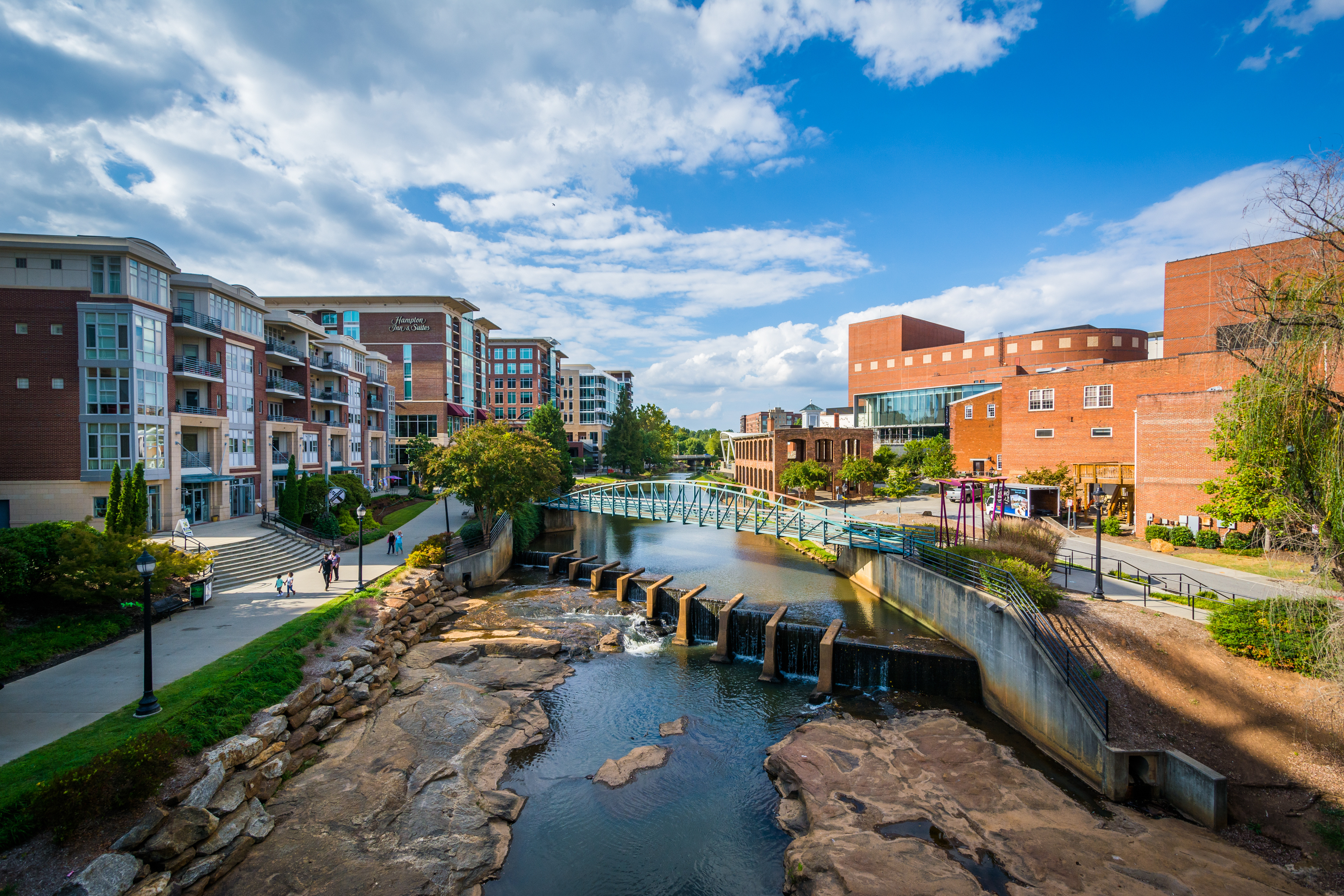
South Carolina is one of the fastest-growing states in the country. Its population grew about 1.5% between July 2024 and July 2025, adding nearly 80,000 residents. Most of that growth came from people moving in from other states.1 They come for a lower cost of living than many metros and a job market anchored by manufacturing. They also come for a state where the mountains and the beach are a few hours apart.
If you’re wondering where to live in South Carolina, the answer depends on what you want day to day. Households with children often focus on schools and parks, while young professionals look for jobs and nightlife. Retirees tend to weigh healthcare, taxes and community. The Upstate, the Midlands and the Lowcountry each offer something different.
This guide walks through what makes South Carolina a good place to live, the best places to live in South Carolina by lifestyle and what to know about buying a new home here. Explore Lennar’s new homes in South Carolina.
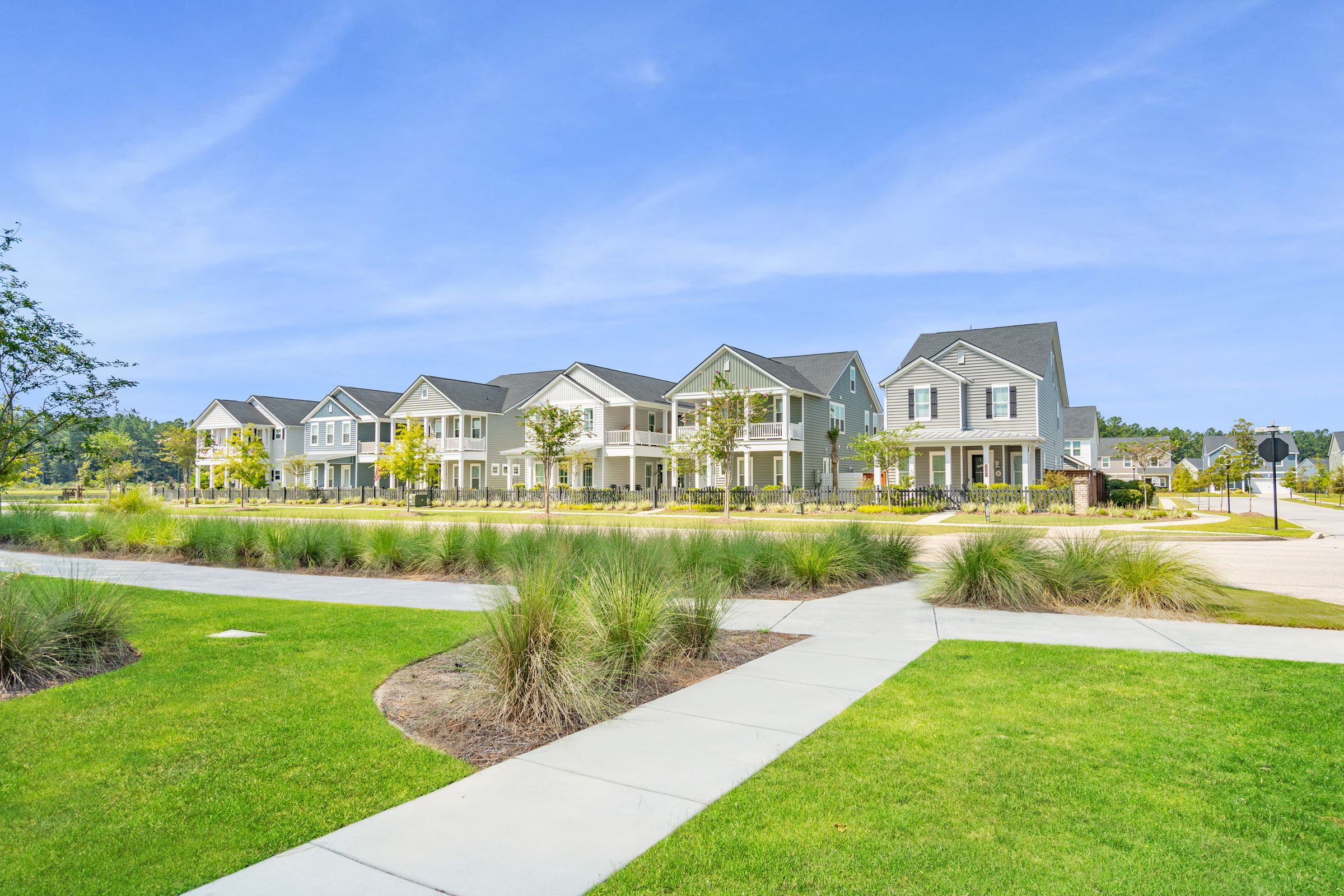
For a growing number of people, yes. South Carolina combines relatively attainable homeownership with a strong manufacturing economy. It also has retiree-friendly taxes, mild winters and a wide range of places to put down roots. Here’s what stands out.
South Carolina’s property tax structure rewards homeowners who live in their homes
South Carolina taxes a primary residence differently from a second home or rental property. A home you own and occupy as your legal residence can qualify for a 4% assessment ratio instead of the standard 6%. It’s also exempt from property taxes for school operating purposes.2 You have to apply for it, so it’s worth putting on your after-closing checklist.
Manufacturing and trade anchor a growing job market
South Carolina has built one of the Southeast’s strongest manufacturing economies, and new investment keeps arriving.
The tax picture is especially friendly to retirees
South Carolina doesn’t tax Social Security benefits. Residents 65 and older may also qualify for a deduction of up to $15,000 against South Carolina taxable income, or up to $30,000 for married couples filing jointly when both spouses qualify.4 Paired with the 4% legal residence assessment, that makes the state a popular choice for retirement.
You can live near the mountains, lakes or beaches
South Carolina packs plenty of scenery into a relatively small state.
Mild winters mean more months outdoors
South Carolina has four seasons, but winters are short and mild compared with much of the country. Spring and fall are long and comfortable. Summers are hot and humid, especially near the coast, so most residents plan outdoor time for mornings and evenings in July and August.
South Carolina’s cities pair Southern character with modern amenities
Southern hospitality is a real part of daily life in all three.

Along the coast, the traditions of the Gullah Geechee people shape Lowcountry food, language, crafts and music. The Gullah Geechee Cultural Heritage Corridor, designated by Congress, recognizes this heritage from North Carolina to Florida.5 It’s one of the things that makes living in coastal South Carolina feel unlike anywhere else.
The best place to live in South Carolina depends on your stage of life and your priorities. Here’s a breakdown by lifestyle, with a focus on growing areas where Lennar builds new homes. Many of the state’s fastest-growing places are smaller cities and suburbs rather than the largest cities. Greer and Hardeeville, for example, gained more residents between 2024 and 2025 than Columbia and Greenville.6
Growing suburbs outside Charleston, Columbia, Greenville and Charlotte suit households with children
Top picks: Summerville, Lexington, Greer and Simpsonville, Fort Mill and Indian Land
These suburbs pair newer schools, parks and youth sports with commutes to major job centers.
South Carolina Department of Education report cards are a good starting point for comparing schools.
Greenville, Charleston and Columbia give young professionals the most options
Top picks: Greenville, Charleston, Columbia
In all three, nearby suburbs can offer a more attainable path to owning a home while keeping you close to the action.
Active adults can choose between Lowcountry and Upstate communities
Top picks: Summerville, Travelers Rest, Myrtle Beach, Bluffton
Retiree-friendly taxes and mild winters make South Carolina a natural fit for active adults, and Lennar offers communities for active adults ages 55+ in both parts of the state.
Many of Lennar’s age-restricted communities are part of Lennar Lifestyle.
The Midlands and Grand Strand offer the most home for the money
Top picks: Lexington and Gilbert, Conway, Spartanburg, Hardeeville
If budget comes first, look to the Midlands, the inland side of the Grand Strand and the Upstate beyond Greenville.
Lennar homes in South Carolina start from the $160s, and the 4% legal residence assessment helps keep property taxes manageable for owner-occupants.
|
Lifestyle priority |
Top South Carolina picks |
|
Households with children |
Summerville, Lexington, Greer and Simpsonville, Fort Mill and Indian Land |
|
Young professionals |
Greenville, Charleston, Columbia |
|
Active adults and retirees |
Summerville, Travelers Rest, Myrtle Beach, Bluffton |
|
Affordability |
Lexington and Gilbert, Conway, Spartanburg, Hardeeville |
Relocating to a fast-growing state means competing for homes in areas where demand is high. A new construction home can make the move simpler and more predictable. The benefits of buying a new construction home when moving to South Carolina include:
Learn more about why buy new and why more buyers are choosing new construction homes.
Lennar builds in six South Carolina areas, from Greenville to Hilton Head
Lennar has more than 55 actively selling communities across South Carolina. They span the Upstate in Greenville, the Midlands around Columbia and the coast in Charleston, Myrtle Beach and Hilton Head / Bluffton. Lennar also builds in Charlotte-area communities on the South Carolina side of the state line. Pick your region first, then compare communities within it.
Lennar has a home type for every South Carolina lifestyle

Many Lennar homes in South Carolina include today’s most popular features at no extra cost to you. Without upgrade fees. No surprises. That’s what Everything’s Included® means. It can cover countertops, appliances, smart home technology and flooring.
Specific features vary by community and homesite, so ask your New Home Consultant for the features list. You can also read how Everything’s Included® delivers more value.
Lennar’s affiliated services help keep the process simple:
Using these services is always optional. If you’re a first-time buyer, a 6-month renter-to-homeowner timeline can help you plan. If you’re relocating, a new home concierge can help you narrow options from a distance. Take the Homebuyer Quiz today to learn which home is the best fit for you and your needs.
Lennar is one of the nation’s leading homebuilders, with single-family homes, townhomes and communities for active adults ages 55+ across South Carolina. Everything’s Included® comes standard.
Whether you’re ready to buy tomorrow or still researching, here’s where to start:
What are the safest cities in South Carolina?
Safety varies by city and neighborhood, so research at the local level. City and county police department data and the FBI Crime Data Explorer are good starting points. Visiting the specific neighborhoods you’re considering, at different times of day, helps too.
What do people do for fun in South Carolina?
Residents spend weekends on the beach along the Grand Strand and near Charleston, on Lake Murray and the Upstate’s mountain lakes and on hiking trails in the Blue Ridge foothills. Golf is a major draw, especially around Myrtle Beach and Hilton Head. Charleston’s restaurants, Greenville’s downtown, college football and local festivals round out the calendar.
How much does it cost to live in South Carolina?
Costs vary by region. Home prices tend to be higher near Charleston, Mount Pleasant and the resort areas than in the Midlands and much of the Upstate. When comparing, build a full monthly budget: mortgage, property taxes (after the 4% legal residence assessment), homeowners and any flood insurance, association dues, utilities and transportation.
How diverse are South Carolina’s cities and communities?
South Carolina’s growth is bringing new residents from across the country, particularly to the Charleston, Greenville, Columbia and Charlotte-area suburbs. Long-standing communities, including the Gullah Geechee communities of the Lowcountry, add to a rich mix of cultures and traditions.
How do I choose between South Carolina cities if several seem like a good fit?
Pick the region first: the Upstate for mountains and manufacturing jobs, the Midlands for a central location and lower costs, or the Lowcountry and Grand Strand for coastal living. Then compare commute, schools, full monthly costs and community amenities, and visit your top two or three choices in person.
Is South Carolina a good place to retire?
For many retirees, yes. The state doesn’t tax Social Security, offers deductions for residents 65 and older and applies a 4% assessment ratio to owner-occupied homes. It also has mild winters and a range of communities for active adults ages 55+. Healthcare access varies by region, so it’s worth checking hospital systems near the areas you’re considering.
Can I grow my career after moving to South Carolina?
Yes. Automotive and advanced manufacturing, aerospace, logistics, healthcare and education are all growing, and new investments like Scout Motors continue to add jobs. Many residents in Fort Mill and Indian Land also commute to the Charlotte job market.
Does Lennar build new construction homes in South Carolina?
Yes. Lennar builds in six areas: Charleston, Columbia, Greenville, Myrtle Beach, Hilton Head / Bluffton and Charlotte-area communities on the South Carolina side of the state line. Visit the South Carolina new homes page for current communities, pricing and availability.
How do I know a new construction home will hold its value in South Carolina?
No home’s future value can be guaranteed. Buyers often look at population and job growth, school quality, access to employers and planned infrastructure. South Carolina’s continued in-migration and new industrial investment are factors many buyers weigh, along with the lower maintenance needs of a new home.
Why does South Carolina tax my home differently if I live in it, and do I have to apply?
South Carolina assesses an owner-occupied legal residence at 4% of fair market value. Second homes and other property are assessed at 6%. The legal residence is also exempt from school operating taxes. The 4% ratio isn’t automatic. You apply with your county assessor before the first penalty date for the tax year you first claim it. If you don’t apply, the 6% ratio applies.2 Your county assessor’s office can walk you through the application.
What should I check about flood zones and insurance on the coast?
If you’re looking near the coast, check the FEMA flood map for the specific address and ask your lender and insurance provider whether flood coverage is required or recommended. Hurricane season runs from June through November. Lennar Insurance can help you compare homeowners coverage options for new construction before you close.
Can I live in South Carolina and work in Charlotte?
Many people do. Fort Mill and Indian Land are popular with Charlotte commuters who want South Carolina’s property tax structure and newer communities. Commute times vary by route and time of day, so test the drive before you commit. Income tax treatment for people who live in one state and work in another can be complex, so talk with a tax professional about your situation.
Sources
Financing and insurance services are available through seller’s affiliate Lennar Mortgage, LLC and Lennar Insurance Agency, but use of Lennar Mortgage, LLC and Lennar Insurance Agency is not required to purchase a home ( See Affiliated Business Arrangement Disclosure ). Lennar Mortgage, LLC – NMLS # 1058. Insurance provided and serviced by third-party insurers. Lennar Insurance Agency receives compensation based on the premiums for the insurance policies it sells. All decisions regarding any insurance products, including approval for coverage, premium, commissions and fees, will be made solely by the insurer underwriting the insurance under the insurer’s then-current criteria. Use of Lennar Insurance Agency is not required to purchase a Lennar home. Lennar Insurance Agency is a licensed insurance company. Lennar Insurance Agency LLC’s License #: 3000527220. Lennar Insurance Agency’s services are only available in states where it is licensed, and insurance coverage through Lennar Insurance Agency may not be available in all states. Insurance services are available through seller’s affiliate insurance agency Lennar Insurance Agency, but use of Lennar Insurance Agency is not required to purchase a home. Lennar makes no guarantee of present or future market conditions. Forecasts, projections and other predictive statements should never be relied upon. You should consult your own accounting, legal and tax advisors to evaluate the risks, consequences and suitability of any real estate transaction. Features, amenities, floorplans, elevations, and designs vary and are subject to changes or substitution without notice. Items shown are artist’s renderings and may contain options that are not standard on all models or not included in the purchase price. Availability may vary. Please contact the school district for the most current information about specific schools. Seller does not represent and cannot guarantee that the community will be serviced by any particular public school/school district or, once serviced by a particular school/school district, that the same school/school district will service the project for any particular period of time. Schools that your children are eligible to attend may change over time. Please see a New Home Consultant and/or home purchase agreement for actual features designated as an Everything’s Included feature. Energy effiency will vary due to many variables, including but not limited to, actual utility rates and fees, actual construction, floor plan, occupancy, appliance usage, thermostat settings, weather conditions, number of individuals occupying the home and orientation of the home. Lennar provides no guarantee of savings or efficiency that will be achieved by each homeowne This is not an offer in states where prior registration is required. Void where prohibited by law. Copyright © 2026 Lennar Corporation and Lennar Mortgage, LLC. All rights reserved. Lennar, the Lennar logo, Lennar Mortgage, the Lennar Mortgage logo, Everything’s Included, Lennar Insurance Agency, and the Lennar Insurance Agency logo are U.S. registered service marks or service marks of Lennar Corporation and/or its subsidiaries. Seller’s Broker: Lennar Carolinas, LLC. Date 10/26

