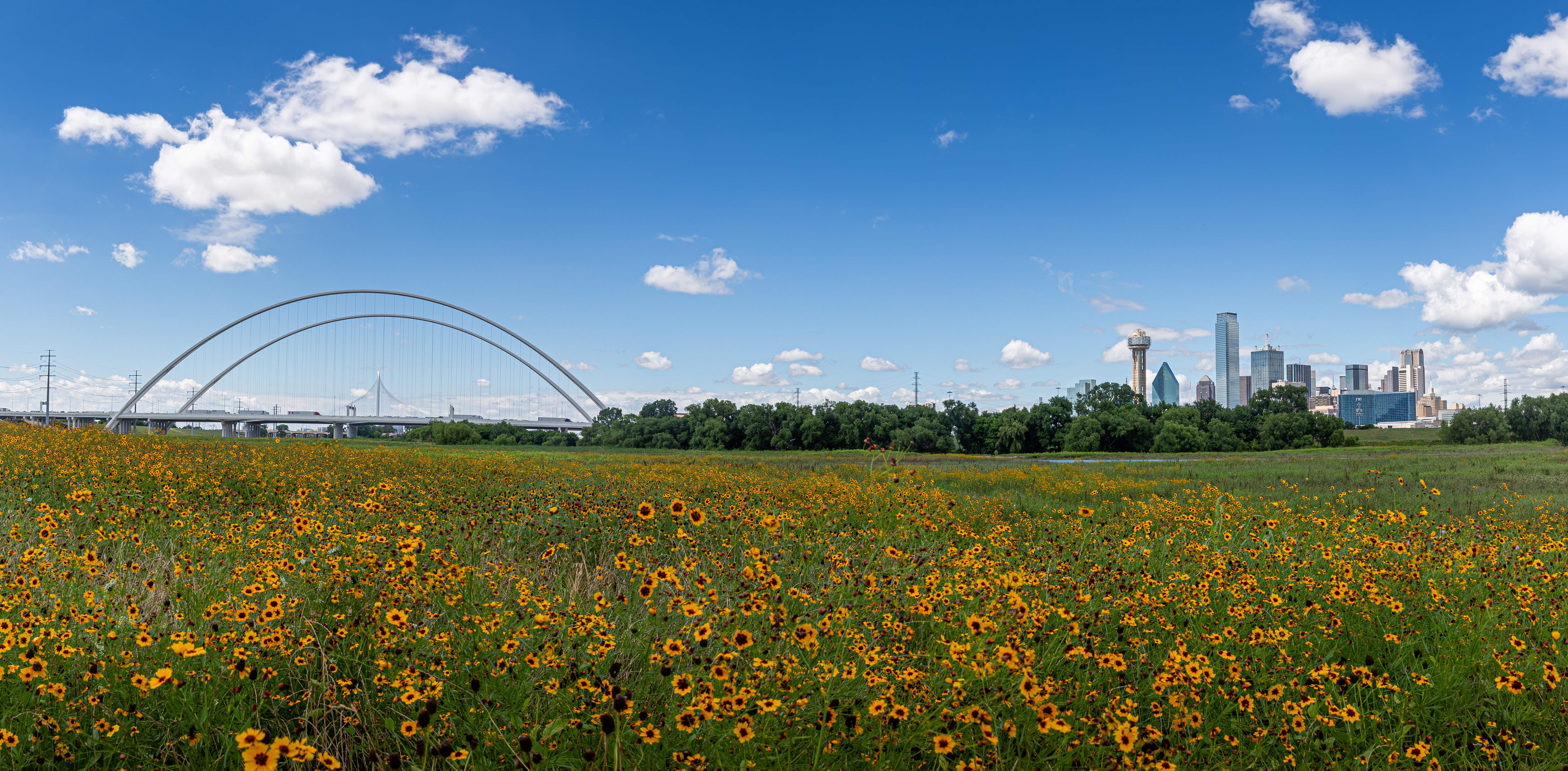
Dallas is an ideal place to live for people who want a deep job market, no state tax on earned income and big-city culture. Dallas-Fort Worth adds two very different downtowns and a wide range of suburbs and home prices. The 16-county North Central Texas region added more than 200,000 residents in 2025 and is closing in on 9 million people.1 With a Metroplex that large, choosing the right side of town matters as much as choosing the region itself.
This guide covers what makes Dallas-Fort Worth appealing, what to know before moving and how to compare the parts of the Metroplex where new homes are being built.
Curious how the Metroplex compares with the rest of the state? See our guide to the best places to live in Texas or explore Lennar’s Dallas-Fort Worth Home options.
|
Dallas-Fort Worth highlights |
What it can mean for residents |
|
A broad, headquarters-heavy economy |
Opportunities in finance, healthcare, technology, logistics, aviation and energy |
|
No Texas state tax on earned income |
A different budget picture for households relocating from states with an income tax |
|
Two downtowns, two personalities |
Arts, dining and nightlife in Dallas; Western heritage and museums in Fort Worth |
|
A central location with a major hub airport |
Nonstop flights across the country and around the world |
|
A wide range of suburbs |
Established cities, fast-growing towns and master-planned communities at many price points |
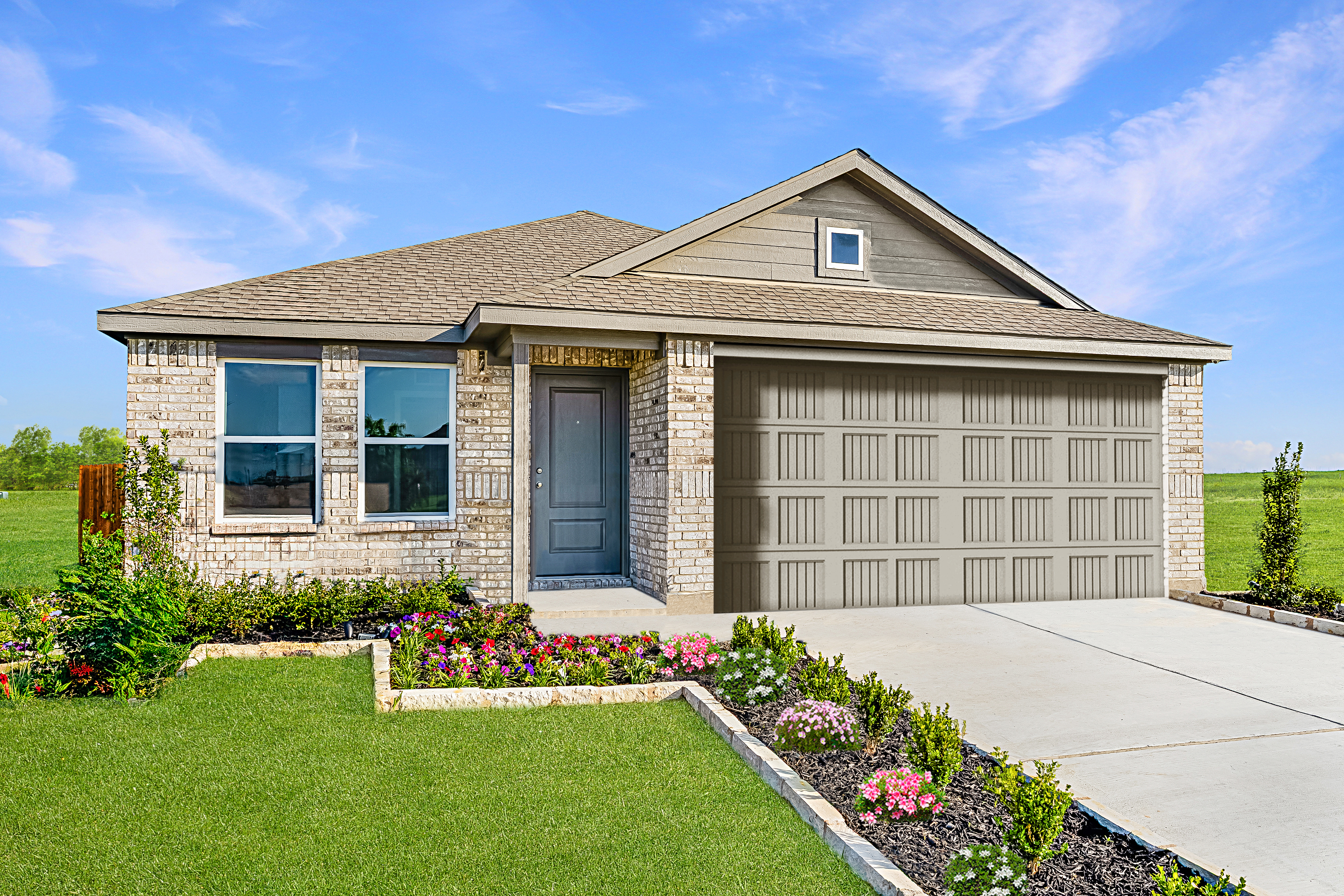
Dallas-Fort Worth has drawn newcomers for decades, and the pace hasn’t slowed. A few reasons come up again and again.
The job market is broad and headquarters-heavy
The region keeps growing, and Fort Worth is now a top 10 U.S. city
No state income tax and a range of home prices can stretch a budget
Texas does not tax earned income.6 For households relocating from states that do, that can change the monthly math. Home prices across the Metroplex range widely, from established close-in neighborhoods to newer suburbs with more space for the money. Lennar’s Travis Heights community in Sherman, for example, offers single-family homes from the $240s. When comparing areas, look at the full monthly payment, including property taxes, insurance and any special district assessments, not the sale price alone.
Dallas-Fort Worth is centrally located, with one of the world’s busiest airports
Dallas Fort Worth International Airport ranked as the sixth-busiest airport in the world and second-busiest in the U.S. by scheduled seat capacity in 2025.7 It’s the largest hub for American Airlines, which makes nonstop travel across the country and overseas easy. Major interstates, including I-35, I-20, I-30 and I-45, connect the Metroplex to the rest of Texas and beyond.
Culture, sports and food fill the calendar in both cities
There’s no shortage of things to do in Dallas and Fort Worth.
Much of the new growth is happening in master-planned suburbs
Places like Celina, Anna, Princeton and Forney have grown quickly as new communities, schools and retail follow residents outward. Many new neighborhoods are master-planned, with pools, trails, playgrounds and amenity centers built in. For people moving to Dallas from out of state, that can make it easier to meet neighbors and settle in.
A few practical details can help you narrow the Metroplex and choose a community that fits your routine.
Summers are hot and winters are mild. July and August bring long stretches of heat, so most residents plan outdoor time for mornings and evenings. Fall through spring is generally comfortable, with the occasional cold snap in winter. The weather in Dallas also means spring storms. North Texas can see severe thunderstorms and hail in the spring, so it’s worth asking about roofing materials, insurance coverage and storm preparedness for any home you’re considering. Lennar Insurance can help you compare coverage options for new construction.
The Metroplex is spread out, and most residents drive. Public transit, including DART, Trinity Metro and TEXRail, is concentrated closer to the urban cores. Mapping your commute and the places you visit most often before narrowing suburbs is one of the most useful things you can do.
Property taxes do the work an income tax would do in other states. Rates vary by city, county and school district, and some newer communities also sit within a municipal utility district (MUD) or public improvement district (PID). These special districts fund infrastructure through additional assessments. Knowing the full tax picture up front helps you compare communities fairly.
Growth also means construction. Newer suburbs are still filling in, and roads, schools and retail often arrive in phases. When you tour, ask what’s complete, what’s planned and when, so you have a clear picture of the community as it stands today.
Once you’ve decided the Metroplex fits your needs, the next decision is where to focus. Four factors do most of the work: your budget, your commute, the type of home you want and how close you want to be to the places you visit most. The table below outlines several areas where new construction is concentrated.
|
Area |
Location |
Useful considerations |
|
North (Collin and Denton counties) |
Some of the fastest-growing suburbs in the region, Dallas North Tollway and US-75 access, newer schools and master-planned amenities |
|
|
East (Kaufman and Rockwall counties) |
I-20 and I-30 access to Dallas, nearby lake recreation, a range of attainable price points |
|
|
South and southeast |
US-287, US-67 and I-20 access, established retail, rolling terrain around Cedar Hill |
|
|
West and northwest |
Fort Worth job centers, the Alliance corridor, more space per dollar |
|
|
Far north (Grayson County) |
US-75 corridor, lower price points, growing manufacturing employment |
|
|
Metro core |
Shorter commutes to downtown Dallas and major employers |
If you can visit in person, drive the commute from two or three of these areas at the times you’d actually travel before narrowing your list. Lennar builds in more than 30 cities across the Metroplex. Visit the Dallas / Ft. Worth market page for current communities, availability and pricing.
Lennar is one of the nation’s leading homebuilders and builds new construction homes across Dallas-Fort Worth. There are currently hundreds of move-in ready and quick move-in homes across the area. If you’re weighing new construction against an existing home, see why buy new and why more buyers are choosing new construction homes.
Single-family and Next Gen® homes cover most Dallas-Fort Worth lifestyles
Single-family homes make up most of what Lennar builds in the region. They’re standalone homes with their own yards and entryways, designed for the way busy households live today.
In select communities, buyers can also find Next Gen®–The Home Within a Home® floorplans. Each includes an attached private suite with its own entrance, kitchenette, living room, bedroom and bathroom. They’re designed for households sharing a home across generations, or for anyone who wants flexible space for long-term guests. Learn more about Next Gen®.
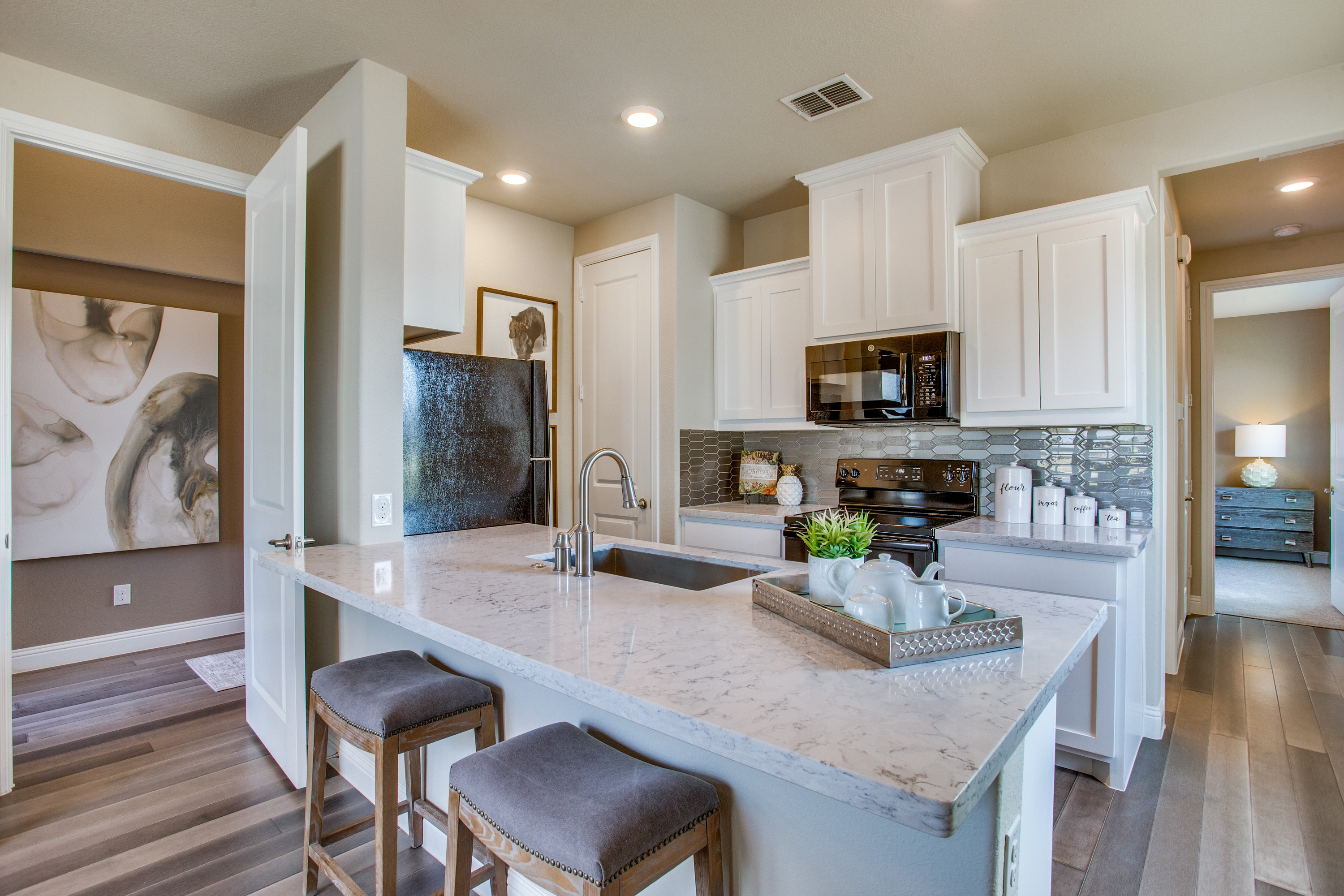
Many Lennar homes in Dallas-Fort Worth include today’s most popular features at no extra cost to you. Without upgrade fees. No surprises. That’s what Everything’s Included® means. Exact products and features vary by community and homesite, so review the features list for the specific home you’re considering, or read how Everything’s Included® delivers more value.
You can tour communities in person or virtually, and guided search filters homes by price, area and home type. Lennar’s affiliated services are designed to help streamline financing and closing, which is especially useful if you’re moving to Dallas from another state:
Using these services is optional and not required to purchase a Lennar home. Take Lennar’s Homebuyer Quiz now to learn which home option is the best fit for you.
A New Home Consultant can walk you through communities, pricing, timing and current availability across the Metroplex, from Celina to Midlothian and Forney to Aledo. Reach out here to start the conversation, or explore new homes across Texas.
Is Dallas a safe place to live?
Like any large metro, safety in Dallas and Fort Worth varies by neighborhood and even by block. Before choosing an area, review city police department data and the FBI Crime Data Explorer, and visit the neighborhoods you’re considering at different times of day. Many buyers also look at newer master-planned communities, which often feature sidewalks, lighting and active homeowners associations.
Is Fort Worth a good place to live?
Yes. Fort Worth is now one of the 10 largest cities in the country and one of the fastest-growing.5 It pairs Western heritage, like the Stockyards and its rodeo traditions, with a respected museum district, a walkable downtown and job centers such as the Alliance corridor. Many people find Fort Worth a bit more relaxed than Dallas, with more space for the money on the west and northwest sides.
Should I live in Dallas or Fort Worth?
It often comes down to where you work and the pace you prefer. Dallas has more corporate headquarters, a larger financial district and a busier nightlife and dining scene. Fort Worth has a more laid-back feel, strong Western character and a growing job base of its own. Many residents live in between, in cities like Arlington or the northern suburbs, so they can reach both.
Should I move to Dallas or Houston?
Both metros share the broader Texas advantages of no state tax on earned income, large job markets and a wide range of home prices. The industry mix differs. Dallas-Fort Worth leans toward corporate headquarters, finance and logistics, while Houston is especially prominent in energy, healthcare and shipping. Dallas has cooler winters and a drier climate. Houston sits about an hour from the Gulf Coast.
What is the cost of living in Dallas-Fort Worth?
Dallas-Fort Worth is often more attainable than many other large U.S. metros, especially coastal ones, but your actual costs depend on where you live. Build a full monthly budget that includes your mortgage, property taxes, insurance, any MUD or PID assessments, association dues, utilities and transportation. Housing costs tend to be higher in the most established close-in suburbs and lower on the outer edges of the Metroplex.
What is the weather like in Dallas?
Dallas has hot summers, mild winters and a long, comfortable fall and spring. Summer highs regularly reach the upper 90s and beyond. Spring is also the region’s stormiest season, with occasional severe thunderstorms and hail. Winters are generally mild, though brief cold snaps and the occasional ice event do happen.
Is Dallas a good place to retire?
It can be. Retirees benefit from no state income tax, major hospital systems across the region and easy air travel to visit family. Texas also offers additional property tax exemptions for homeowners 65 and older, so check with your county appraisal district. Summer heat and car-dependent travel are worth weighing, and choosing a community close to healthcare and everyday needs can make a big difference.
Is Dallas-Fort Worth a good place to live for families?
Many families find it a strong fit. The region offers a wide range of school districts, extensive parks and youth sports and suburbs designed around family life. Compare school district performance, commute times and community amenities side by side. The northern suburbs, including Celina, Anna and McKinney, are especially popular with families moving to the area.
What is a Next Gen® home?
Next Gen®–The Home Within a Home® floorplans include a private suite with its own entrance, living area, bedroom, bathroom and kitchenette, connected to the main home. Households use them for extended family, adult children or long-term guests. Availability varies by community. See current options on the Dallas / Ft. Worth Next Gen® page.
Does Lennar build new construction homes in Dallas-Fort Worth?
Yes. Lennar builds in more than 30 cities across the Metroplex, including Celina, Anna, McKinney, Princeton, Forney, Royse City, Midlothian, Fort Worth, Aledo and Dallas. Current communities, pricing and availability are listed on the Dallas / Ft. Worth new homes page.
What is the process for buying a new construction home in Dallas-Fort Worth from out of state?
Most out-of-state buyers start online. They narrow communities with guided search, take virtual tours and talk with an Internet Sales Consultant. Getting pre-qualified early helps set a realistic budget; our guide to the mortgage process walks through the steps. When you’re ready, plan a visit to tour two or three communities and stop by a Welcome Home Center. Move-in ready and quick move-in homes can help if you’re working toward a firm start date.
How established are the newer Dallas-Fort Worth suburbs, and am I moving into a construction zone?
It depends on the community and its phase. Many master-planned communities develop in stages, so amenities, schools and nearby retail may still be arriving. Fast-growing towns like Celina and Princeton are adding roads and services quickly, but construction traffic is part of life in the early years. When you tour, ask what’s complete, what’s planned and the anticipated timing so you have a clear picture of the community today.
What are MUD and PID assessments, and how do they affect my monthly payment?
In fast-growing parts of Texas, some communities sit within a municipal utility district (MUD) or public improvement district (PID). These special districts pay for infrastructure like water, sewer, drainage and roads. A MUD can issue bonds and levy its own property tax to repay them.9 Sellers are required to provide a MUD notice before a contract is signed, so you’ll see the current rate before you commit.9 Ask your New Home Consultant for any district disclosures and include the assessment in your monthly budget.
How does hail season affect homeownership in North Texas?
Spring hailstorms are a regular part of life in North Texas. Before you buy, ask about roofing materials, and review your homeowners policy’s wind and hail deductible, which may be a percentage of the home’s insured value rather than a flat amount. Newer homes with modern roofing can be easier to insure. Lennar Insurance can help you compare options for new construction.
Sources
Financing and insurance services are available through seller’s affiliate Lennar Mortgage, LLC and Lennar Insurance Agency, but use of Lennar Mortgage, LLC and Lennar Insurance Agency is not required to purchase a home ( See Affiliated Business Arrangement Disclosure ). Lennar Mortgage, LLC – NMLS # 1058. Insurance provided and serviced by third-party insurers. Lennar Insurance Agency receives compensation based on the premiums for the insurance policies it sells. All decisions regarding any insurance products, including approval for coverage, premium, commissions and fees, will be made solely by the insurer underwriting the insurance under the insurer’s then-current criteria. Use of Lennar Insurance Agency is not required to purchase a Lennar home. Lennar Insurance Agency is a licensed insurance company. Lennar Insurance Agency LLC’s License #: 2397570. Lennar Insurance Agency’s services are only available in states where it is licensed, and insurance coverage through Lennar Insurance Agency may not be available in all states. Insurance services are available through seller’s affiliate insurance agency Lennar Insurance Agency, but use of Lennar Insurance Agency is not required to purchase a home. Lennar makes no guarantee of present or future market conditions. Forecasts, projections and other predictive statements should never be relied upon. You should consult your own accounting, legal and tax advisors to evaluate the risks, consequences and suitability of any real estate transaction. Features, amenities, floorplans, elevations, and designs vary and are subject to changes or substitution without notice. Items shown are artist’s renderings and may contain options that are not standard on all models or not included in the purchase price. Availability may vary. Please contact the school district for the most current information about specific schools. Seller does not represent and cannot guarantee that the community will be serviced by any particular public school/school district or, once serviced by a particular school/school district, that the same school/school district will service the project for any particular period of time. Schools that your children are eligible to attend may change over time. Please see a New Home Consultant and/or home purchase agreement for actual features designated as an Everything’s Included feature. Energy effiency will vary due to many variables, including but not limited to, actual utility rates and fees, actual construction, floor plan, occupancy, appliance usage, thermostat settings, weather conditions, number of individuals occupying the home and orientation of the home. Lennar provides no guarantee of savings or efficiency that will be achieved by each homeowne This is not an offer in states where prior registration is required. Void where prohibited by law. Copyright © 2026 Lennar Corporation and Lennar Mortgage, LLC. All rights reserved. Lennar, the Lennar logo, Lennar Mortgage, the Lennar Mortgage logo, Everything’s Included, Lennar Insurance Agency, and the Lennar Insurance Agency logo are U.S. registered service marks or service marks of Lennar Corporation and/or its subsidiaries. Date 10/26


